
Sweetgum Water Requirements and Long-Term Tree Health
- January 23, 2026
- By Jason Sinclair
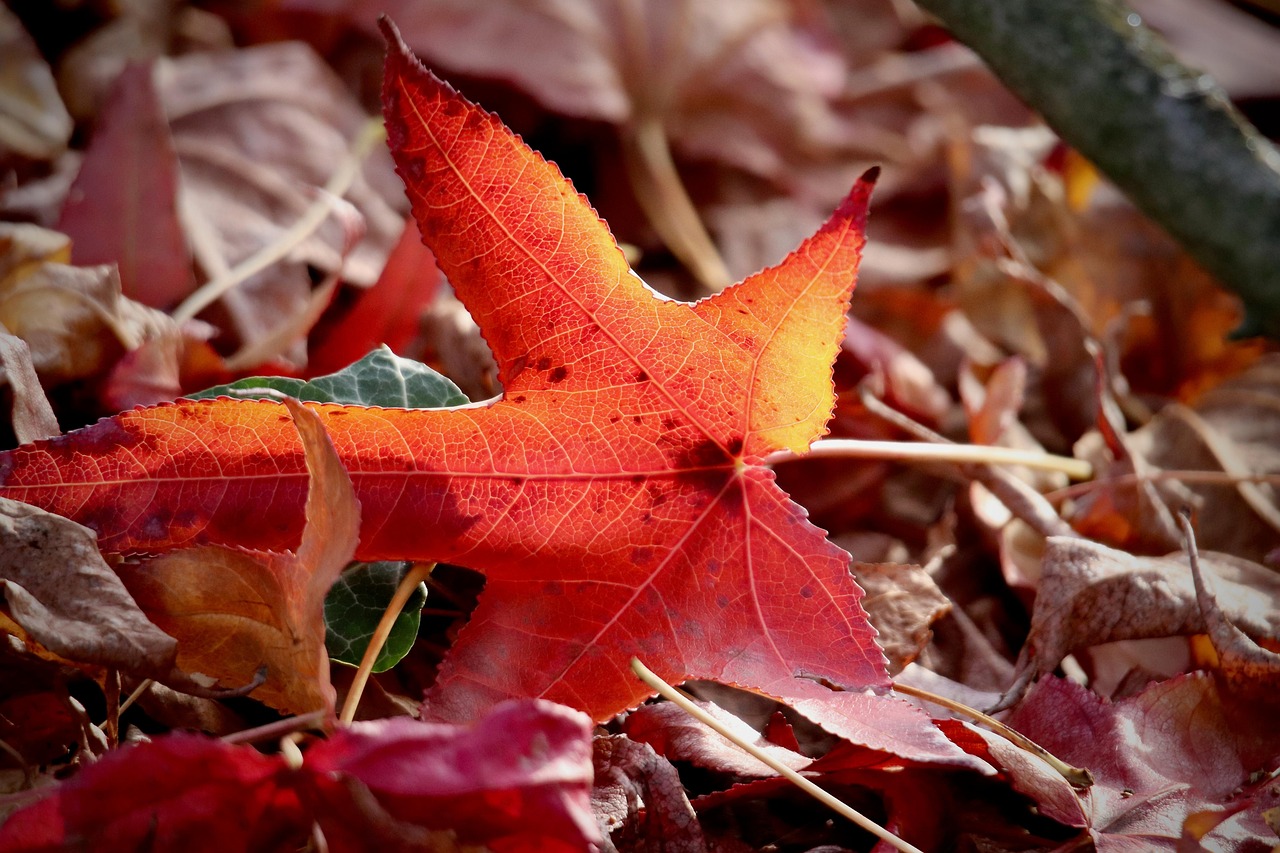
Thinking about planting a sweetgum tree? They’re pretty cool trees, known for their star-shaped leaves and vibrant fall colors. But like any plant, they have their own needs, especially when it comes to water. Getting the sweetgum water requirements right is super important, not just for when you first plant it, but for its whole life. Mulching helps keep the soil consistently moist and regulates temperature, supporting the sweetgum water requirements. Too much or too little water can cause problems, so let’s talk about how to keep these trees happy and healthy.
So, you’ve got a sweetgum tree, or you’re thinking about getting one. Great choice! These trees are pretty cool, offering nice shade and some really vibrant fall colors. But like any plant, they need the right amount of water to really thrive, especially if you want them to stick around for a long time looking good. Getting the watering right isn’t just about keeping them alive; it’s about making sure they’re strong and healthy for years to come.
Paying attention to how much water your sweetgum gets is key to its overall well-being. It might seem simple, but there’s a bit more to it than just turning on the hose. The amount of water a sweetgum needs changes as it grows, and even the type of soil it’s in makes a difference. Plus, you’ve got to watch out for signs that you’re either giving it too much or not enough. It’s all about finding that sweet spot.
Here’s a quick look at what influences your sweetgum’s thirst:
- Age of the tree: Young trees are thirstier than established ones.
- Weather: Hot, dry spells mean more water is needed.
- Soil type: Some soils hold water better than others.
- Season: Watering needs shift throughout the year.
Understanding these factors helps you avoid common problems. Overwatering can lead to root rot, which is a nasty business for any tree. On the flip side, too little water, especially during dry spells, can stress the tree, making it more susceptible to issues and potentially causing limb drop. We want to avoid both extremes.
We’ll get into the nitty-gritty of how to water your sweetgum properly, from when it’s just a sapling to when it’s a mature tree. It’s not rocket science, but a little know-how goes a long way in keeping your tree happy and healthy. For instance, making sure young trees get consistent moisture is important for their initial root establishment. Let’s figure out how to give your sweetgum the best drink it can get.
Understanding Sweetgum Tree Biology and Water Needs
Sweetgum trees, scientifically known as Liquidambar styraciflua, have a fascinating biology that directly influences how much water they need and when. Native to swampy areas in the eastern United States, these trees are quite adaptable, but understanding their natural leanings gives us a big clue about their watering preferences. They really like moisture, but not necessarily soggy feet all the time.
Think about their native habitat – think moist, often acidic soils. This tells us they can handle periods of wetness, especially when they’re young and trying to get established. However, as they mature, their root systems become more robust, allowing them to seek out water and tolerate drier spells better than you might expect. It’s a bit of a balancing act.
Here’s a quick rundown of what influences their water needs:
- Native Environment: Swampy, moist soils are their jam.
- Root System Development: Young trees need more consistent moisture; mature trees are more resilient.
- Adaptability: They can grow in various soils, but water is key.
The key takeaway is that while sweetgums can tolerate some dryness once established, consistent moisture, especially during their first few years, is vital for their long-term health.
It’s easy to overthink watering, but for sweetgums, the goal is to mimic their natural environment as much as possible. This means providing water when the soil starts to dry out, but also allowing for some drainage to prevent issues like root rot. Getting this balance right is super important.
When you’re first planting a sweetgum, think about giving it a good, deep soak. This helps settle the soil around the roots and encourages them to grow downwards. For new plantings, techniques like deep soaking are really beneficial. It’s all about building a strong foundation for your tree.
Natural Habitat and What It Tells Us About Water Preferences
So, where do sweetgum trees naturally hang out? Thinking about their native stomping grounds gives us some pretty good clues about what they like when it comes to water. These trees are often found in the eastern United States, particularly in areas that are a bit swampy or have damp, acidic soil. Think places like the Big Thicket National Preserve or the Sabine National Forest – these are environments that are consistently moist.
This tells us that sweetgums aren’t exactly desert plants. They appreciate having a good amount of water available, especially when they’re young. They’re not as tough as some of the trees you see in drier climates, but they’re also not super fussy. It’s like they prefer a steady drink rather than long periods of drought followed by a flood.
Here’s a quick rundown of what their natural home suggests:
- Moist Soil: They thrive where the ground stays damp, not waterlogged, but definitely not bone dry.
- Acidic Conditions: While they can adapt, their preference leans towards soils that aren’t too alkaline.
- Established Presence: In their natural habitat, they’re often found alongside other water-loving plants, reinforcing their need for consistent moisture.
It’s interesting how much we can learn just by looking at where a tree naturally grows. It’s like getting a hint from nature itself about its basic needs. For sweetgums, that hint is pretty clear: they like it moist, but not soggy.
Even though they like moisture, mature sweetgums can actually handle dry spells pretty well once they’ve put down deep roots. It’s the younger trees that really need that consistent watering to get established. So, while their natural habitat points to a preference for dampness, understanding their life stages is key to getting their watering right.
Sweetgum Water Requirements for Newly Planted Trees
When you first bring home a sweetgum sapling, it’s like a baby – it needs a lot of attention, especially when it comes to water. For the first couple of years, you’ve got to be pretty diligent about keeping the soil around it moist. Think about it: the roots are still tiny and haven’t spread out much, so they can’t reach deep into the ground for water on their own. Consistent moisture is key to helping those roots establish themselves properly.
What are the water requirements for sweetgum during this critical phase? You’ll want to check the soil regularly. If the top few inches feel dry, it’s time to water. Don’t just give it a quick sprinkle, though. You need to water deeply enough to encourage those roots to grow downwards. A good rule of thumb is to water until the soil is damp several inches down.
Here’s a quick rundown of new sweetgum water requirements:
- Check soil moisture daily, especially during hot or dry spells.
- Water deeply when the top 2-3 inches of soil feel dry.
- Avoid letting the soil completely dry out between waterings.
- Water more frequently during periods of high heat or strong winds.
It’s interesting, young sweetgums can actually handle a bit of temporary sogginess, especially when it’s really hot out. They might even tolerate brief periods of standing water. This is different from mature trees, which are less forgiving of waterlogged conditions. So, while you want to keep the soil moist, you also don’t want it to be a swamp.
Remember, the goal for newly planted trees is to create a consistently damp environment that encourages robust root development. This initial care sets the stage for the tree’s long-term health and resilience. Getting the sweetgum water requirements right from the start makes a huge difference.
Don’t forget that the type of soil you planted in also plays a big role. If you have sandy soil, it’ll dry out faster, meaning you’ll need to water more often. Clay soil holds moisture longer, so you’ll need to be careful not to overwater. Understanding your soil is part of meeting the sweetgum water requirements for your new tree.
How Sweetgum Water Requirements Change as Trees Mature
As your sweetgum tree grows, its water needs shift quite a bit. Think of it like a toddler versus a teenager – the younger ones need constant attention, while the older ones are a bit more self-sufficient. For those first few years after planting, keeping the soil consistently moist is really important. This helps those young roots spread out and get established.
Once a sweetgum tree is mature, it becomes much more drought-tolerant. It has developed a robust root system that can reach deeper into the soil to find moisture. This means you won’t need to water as often, especially if you’re getting decent rainfall. However, during extended dry spells or heatwaves, even mature trees can benefit from a good soaking.
Here’s a general idea of how watering needs change:
- Year 1-3 (Establishment Phase): Focus on keeping the top 6-12 inches of soil consistently damp. This might mean watering deeply once or twice a week, depending on the weather. It’s better to water less frequently but more thoroughly than to give it little sips every day. This is when consistent watering is key for young tree health.
- Year 4-7 (Developing Phase): You can start to stretch out the watering intervals. Watering once every week or two might be sufficient, again, depending on rainfall and heat. Check the soil moisture before watering – if the top few inches are dry, it’s time to water.
- Year 8+ (Mature Phase): Mature sweetgums are pretty good at taking care of themselves. They can usually get by on natural rainfall. Only water during prolonged droughts or if the tree shows signs of stress, like wilting leaves.
It’s easy to overwater a mature tree, thinking you’re helping it. But waterlogged soil can be just as bad, if not worse, than dry soil for established trees. It can lead to root rot and other problems. Always check the soil moisture a few inches down before you even think about turning on the hose.
Remember, these are just guidelines. The best approach is always to observe your tree and its environment. Factors like soil type, sun exposure, and local climate all play a role in how much water your sweetgum actually needs.
Seasonal Adjustments to Sweetgum Water Requirements
Sweetgum trees, like most plants, don’t have the same thirst all year round. Their water needs really shift with the seasons, and paying attention to this is key to keeping them happy and healthy.
During the spring, when new growth is really kicking off, sweetgums need consistent moisture. Think of it like a growth spurt – they’re putting on leaves and branches, and that takes a lot of water. Keep the soil evenly moist, but not soggy. This is also a good time to check if your tree is getting enough water after the dry winter months.
Summer is usually the peak time for water demand. Hot temperatures and increased sunlight mean the soil can dry out much faster. You’ll likely need to water more frequently during this period, especially if you’re experiencing a dry spell. It’s better to water deeply and less often than to give it a little sprinkle every day. This encourages the roots to grow deeper, making the tree more resilient.
As fall rolls around, the tree starts to slow down. The vibrant fall colors are beautiful, but they signal that the tree is preparing for dormancy. Watering needs decrease significantly in the fall. You can gradually reduce the frequency of watering. Let the soil dry out a bit more between waterings. It’s still important to water if the weather is unusually dry, but you don’t need to keep it as consistently moist as you did in the spring or summer.
Winter is generally the time for rest. Established sweetgum trees are quite drought-tolerant once mature and typically don’t need supplemental watering during the winter, unless you’re in a region with very little rainfall and prolonged dry spells. The ground freezing can also make it hard for the tree to take up water, so overwatering in winter can actually be harmful.
Here’s a quick rundown:
- Spring: Consistent moisture for new growth. Keep soil evenly moist.
- Summer: Increased demand due to heat. Water deeply and less often.
- Fall: Reduced needs as the tree prepares for dormancy. Allow soil to dry slightly.
- Winter: Minimal to no watering needed for established trees, unless very dry.
Remember, these are general guidelines. Always check the soil moisture yourself before watering. Stick your finger a few inches into the ground – if it feels dry, it’s probably time to water. If it’s still damp, hold off for a bit. This simple check can prevent a lot of watering mistakes.
Soil Type and Its Impact on Sweetgum Water Requirements
So, you’ve got a sweetgum tree, and you’re wondering about the dirt it’s sitting in. It actually matters quite a bit when it comes to how much water your tree needs. Sweetgums aren’t super picky, but they do have preferences.
They really prefer a nice, well-drained loam, and they like it deep. This means the soil lets water pass through without getting waterlogged, but it also holds enough moisture for the roots to sip on. Think of it like a good sponge – not too tight, not too loose.
Here’s a quick rundown of how different soils can affect things:
- Clay Soil: Sweetgums can handle clay, but it’s a bit of a double-edged sword. Clay holds water well, which can be good, but if it doesn’t drain properly, you can end up with soggy roots. This is where you might need to be more careful about watering frequency.
- Sandy Soil: Sandy soil drains super fast. This is great for preventing root rot, but it means the soil dries out quickly. Your sweetgum will likely need more frequent watering in sandy conditions, especially when it’s young or during dry spells.
- Loam Soil: This is the sweet spot. Loam has a good mix of sand, silt, and clay, offering a nice balance of drainage and moisture retention. If you have loam, your watering schedule might be pretty straightforward.
It’s also worth noting that sweetgums aren’t big fans of really alkaline soil. If your soil is too alkaline, the tree might have trouble taking up iron, leading to a condition called chlorosis. You’ll see the leaves turn yellow, especially between the veins. Getting your soil tested is a good idea if you suspect this is happening.
When you’re planting, especially if your soil isn’t ideal, adding some compost can really help. It improves the soil structure, whether you need better drainage in clay or more moisture retention in sand. It’s like giving your tree a better foundation to start with.
Basically, the better your soil drains and holds a bit of moisture, the easier your job will be in keeping your sweetgum happy and hydrated. You’ll just need to pay attention to how quickly the soil dries out and adjust your watering accordingly.
Signs of Improper Watering: Too Much or Too Little
Figuring out if your sweetgum is getting too much or too little water can feel like a guessing game sometimes. But there are definitely clues your tree will give you if you know where to look. It’s all about observing the leaves and the overall look of the tree.
Yellowing leaves are a common sign, but they can mean different things depending on the watering situation. If the leaves are turning yellow and dropping, especially from the bottom up, and the soil feels dry and crumbly, that’s a pretty clear indicator of underwatering. The tree is trying to conserve what little moisture it has. On the flip side, if the leaves are yellowing but also look a bit wilted or droopy, and the soil is consistently soggy, you might be dealing with overwatering. This can lead to root problems, which then show up as yellow leaves because the roots can’t take up nutrients properly.
Here’s a quick rundown of what to watch for:
- Underwatering: Leaves turn yellow, then brown and crispy, often starting at the edges. They might curl inward. The tree can look generally stressed, with wilting even when it’s not particularly hot.
- Overwatering: Leaves might turn yellow and droop, sometimes with brown spots. The soil stays wet for days, and you might even notice a musty smell. In severe cases, you could see fungal growth on the soil surface or trunk base.
- Root Issues (often from overwatering): This can manifest as stunted growth, yellowing leaves, or even sudden leaf drop. The tree just doesn’t look healthy overall.
It’s easy to panic when you see yellow leaves, but take a moment to check the soil moisture before jumping to conclusions. Stick your finger a few inches down. If it’s dry, water more. If it’s soaked, ease up and let it dry out a bit. Sometimes, the simplest checks are the most effective.
Another thing to consider is the soil itself. If your soil drains poorly, even moderate watering can lead to waterlogged conditions. You might see signs of stress like leaf discoloration or a general lack of vigor. Conversely, if you have very sandy soil, water might just run right through, meaning you need to water more frequently, but perhaps less at a time.
Best Practices for Watering Sweetgum Trees for Long-Term Health
Getting the watering right for your sweetgum tree is pretty important if you want it to stick around and look good for years to come. It’s not just about dumping water on it whenever you remember; there’s a bit more to it.
First off, remember that young trees, especially those in their first few years after planting, need more attention. They don’t have a big root system yet, so they can dry out faster. Consistent moisture is key for these youngsters. Think about giving them a good, deep soak rather than a quick sprinkle. This encourages those roots to grow down deep, which is way better for the tree in the long run. For newly planted trees, using a method like drip irrigation or a slow trickle from a garden hose can really help ensure even water distribution.
Here’s a quick rundown of what to aim for:
- Check the soil: Don’t just water on a schedule. Stick your finger a couple of inches into the soil near the base of the tree. If it feels dry, it’s time to water. If it’s still damp, hold off.
- Water deeply: When you water, make sure you’re soaking the root zone. This means letting the water penetrate several inches down. Shallow watering just encourages shallow roots, which aren’t as strong.
- Water the right way: Try to water at the base of the tree, directly onto the soil. Avoid spraying the leaves, especially late in the day, as this can encourage fungal issues. Morning watering is generally best.
- Adjust for the weather: Hot, dry, and windy spells mean your tree will need more water. Cooler, rainy periods mean you can probably water less, or not at all.
It’s easy to think that more water is always better, but that’s not quite true for sweetgums, especially as they get older. Once they’re established, they’re actually pretty good at handling dry spells. The real danger comes from waterlogged soil, which can suffocate the roots and lead to problems like root rot. So, finding that balance between keeping the soil moist and letting it breathe is really the goal.
As your tree matures, it becomes more resilient. Mature sweetgums are fairly drought-tolerant, meaning they can go longer between waterings. However, during extreme heatwaves or prolonged dry periods, even a mature tree can benefit from a good watering. It’s all about observing your tree and its environment.
Mulching and Its Role in Supporting Sweetgum Water Requirements
You know, one of the simplest things you can do for your sweetgum tree, especially when it’s young, is to put down a good layer of mulch. It’s not just about making the base of the tree look tidy, though it does that too. Mulch is like a cozy blanket for the soil, and it really helps with keeping the moisture levels just right for your tree.
Think about it: mulch helps the soil hold onto water longer. This means you won’t have to water as often, which is a win-win. Plus, it keeps the soil temperature more even, so it doesn’t get too hot in the summer or too cold in the winter. This is super important for those delicate roots.
Here’s a quick rundown of why mulch is so great for sweetgums:
- Moisture Retention: It acts like a sponge, soaking up rain and irrigation and releasing it slowly to the roots.
- Temperature Regulation: It insulates the soil, protecting roots from extreme heat and cold.
- Weed Suppression: A good layer of mulch makes it harder for weeds to pop up and steal water and nutrients from your tree.
- Soil Improvement: As organic mulches break down over time, they add nutrients back into the soil, which is always a good thing.
When you’re mulching, try to spread it out from the trunk all the way to the edge of the tree’s branches, what we call the drip line. Just be sure not to pile it up right against the trunk itself. You want to leave a little space there, like a few inches, so air can get to the bark and prevent any rot or pest issues. A layer about 2 to 4 inches deep is usually perfect. Wood chips, shredded bark, or even compost work really well for this. Using mulch is a really effective way to support your sweetgum’s water needs and keep it healthy for years to come.
Sometimes, you might see yellowing leaves on your sweetgum, especially if it’s in soil that’s a bit too alkaline. This is called chlorosis, and it’s often a sign that the tree isn’t getting enough iron. While mulch helps with overall soil health, if you suspect a nutrient issue, it’s a good idea to get your soil tested. Fixing the soil pH can make a big difference, and mulch can help maintain those corrected conditions.
Balancing Moisture and Root Health: Avoiding Waterlogged Soil
Okay, so we’ve talked about how much water sweetgum trees like, but it’s not just about giving them enough. You also have to be careful not to give them too much. Nobody likes soggy feet, and neither do tree roots.
When soil stays waterlogged for too long, it basically suffocates the roots. There’s no air for them to breathe, and that’s a fast track to root rot. You might see yellowing leaves, stunted growth, or even a general decline in the tree’s health. It’s kind of like drowning, but for roots.
Here’s a quick rundown of what to watch out for:
- Mushy soil that never seems to dry out: If you dig down a few inches and it’s still soaking wet days after watering or rain, that’s a red flag.
- Foul odors: Sometimes, waterlogged soil can start to smell a bit funky, like decay.
- Wilting even when the soil is wet: This is a classic sign that the roots are damaged and can’t take up water properly, even though it’s right there.
- Fungal growth around the base: Mushrooms or other fungi popping up can indicate overly wet conditions.
The key is good drainage. Sweetgums, like most trees, need soil that allows excess water to drain away. If you have heavy clay soil that holds water like a sponge, you might need to amend it with compost or other organic matter to improve its structure. Planting on a slight slope can also help water run off instead of pooling around the roots.
Remember, even though sweetgums can handle some moisture, they aren’t aquatic plants. Their roots need oxygen just as much as they need water. Overwatering is a common mistake that can be more damaging than underwatering in the long run.
Tailoring Sweetgum Water Requirements for Optimal Tree Health
So, we’ve talked a lot about watering sweetgum trees, from when they’re tiny saplings to when they’re big and mature. But the real trick to keeping them happy and healthy long-term is to really pay attention to your specific tree and your specific yard. It’s not a one-size-fits-all situation, you know?
Think about it like this: your tree is living in its own little world. The soil type, how much sun it gets, even what the weather’s been like lately – all these things play a part in how much water it actually needs. A tree in sandy soil is going to dry out way faster than one in heavy clay, even if they’re right next to each other. And if you’ve had a super dry summer, your tree’s going to be thirstier than if it’s been raining every other day.
Here’s a quick rundown of what to keep in mind:
- Soil Drainage: Does water pool around your tree after it rains, or does it soak in pretty quickly? If it stays soggy, you might need to water less often, or even think about improving drainage.
- Sun Exposure: A tree baking in full sun all day will need more water than one that gets some shade, especially during those hot summer months.
- Local Climate: Are you in a dry region, or somewhere with plenty of rainfall? Adjust your watering schedule based on what nature is providing.
- Tree Age and Size: Remember, young trees are babies and need more consistent moisture. Mature trees are tougher and can handle a bit more dryness, but they still need a drink during long droughts.
It’s also super important to watch for signs that you’re not getting the water balance quite right. Yellowing leaves, especially if they look pale or sickly, could mean a few things, but sometimes it’s a sign of too little iron due to alkaline soil, which can be linked to watering issues. Drooping leaves, even when the soil feels moist, might mean the roots are struggling because they’re waterlogged. On the flip side, if the leaves are crisping up and turning brown at the edges, that’s a pretty clear sign of drought stress.
The goal is to find that sweet spot – not too wet, not too dry. You want the soil to be consistently moist, like a wrung-out sponge, especially for younger trees. For established trees, letting the top inch or two of soil dry out between waterings is usually a good plan, but always check the soil moisture before you water.
So, instead of just sticking to a rigid watering schedule, get out there, feel the soil, look at your tree, and make smart choices. Tailoring your watering approach is the key to a strong, healthy sweetgum that will be around for years to come. It might take a little extra effort, but seeing your tree thrive makes it totally worth it.
Making sure your Sweetgum trees get just the right amount of water is super important for keeping them healthy and strong. Too much or too little can cause problems. Want to learn the best watering techniques for your specific trees? Visit our website for expert tips and advice to help your Sweetgum thrive!
Frequently Asked Questions
How often should I water a new sweetgum tree?
When you first plant a young sweetgum, it’s super important to keep its soil nicely moist, especially when it’s hot or dry outside. Think of it like giving a baby a drink – they need it regularly! For the first year or two, give it a good soak whenever the top inch or two of soil feels dry. This helps its roots get strong.
Do mature sweetgum trees need a lot of water?
Once your sweetgum tree is a few years old and has a good root system, it becomes much tougher. Mature trees are pretty good at finding water on their own and can handle dry spells pretty well. You’ll only need to water them deeply during really long, hot, dry periods.
What’s the best way to water a sweetgum tree?
The best way to water is to give the tree a deep, slow soak at the base. This encourages the roots to grow down deep into the soil. Try to avoid wetting the leaves too much, especially late in the day, as this can encourage sickness. Watering in the morning is usually best.
How can I tell if my sweetgum is getting too much or too little water?
If it’s getting too little water, the leaves might droop, turn yellow, or even start to fall off, especially in dry weather. If it’s getting too much, the leaves might turn yellow, and the tree might not grow well. Soggy soil is a big sign of overwatering, which can lead to root rot.
Does the type of soil matter for watering sweetgum trees?
Yes, it really does! Sweetgums like soil that drains well, meaning water doesn’t just sit there. If you have heavy clay soil, you might need to water less often because it holds onto moisture longer. Sandy soil drains faster, so you might need to water more frequently.
What is chlorosis, and how does it relate to watering?
Chlorosis is when a tree’s leaves turn yellow because it can’t get enough iron from the soil. This often happens if the soil is too alkaline (not acidic enough). While not directly caused by watering, proper soil conditions and watering can help prevent it. Making sure the soil is right for your sweetgum is key.
How does mulching help with sweetgum water needs?
Putting a layer of mulch around the base of your sweetgum tree is like giving it a cozy blanket. It helps keep the soil moist for longer, reduces the need for watering, and keeps the soil temperature more even. Just make sure not to pile the mulch right up against the trunk.
Can I water my sweetgum tree in the evening?
It’s generally better to water in the morning. If you water late in the evening, the leaves and soil stay wet all night. This dampness can create a perfect environment for nasty fungus and diseases to grow on your tree.