
Callery Pear vs Bradford Pear: What’s the Real Difference
- January 26, 2026
- By Jason Sinclair
You’ve probably seen them around – those trees with the pretty white flowers in early spring. Maybe you’ve even considered planting one. But when people talk about Callery pears and Bradford pears, are they talking about the same thing? It gets a little confusing because they’re so closely related, but there are some important differences, especially when it comes to how they grow and whether they cause problems. Let’s break down the callery pear vs bradford pear situation so you know what you’re dealing with.
A Quick Overview of Callery Pear vs Bradford Pear
So, you’ve probably seen those pretty white flowering trees in the spring, maybe even have one in your yard. Chances are, it’s some kind of Callery pear, and the most famous one is the Bradford pear. For a long time, these trees were super popular. They grow fast, look nice with their neat shape and bright spring flowers, and they don’t seem to mind tough conditions. People liked them because they were easy to care for and looked good in urban settings.
But here’s the thing: what we thought was a good thing turned out to be a bit of a problem. The Bradford pear is actually a specific type, or cultivar, of the Callery pear species. Think of it like this: Callery pear is the main family name, and Bradford pear is one specific member of that family. Over time, it became clear that these trees, especially the Bradford variety, weren’t as well-behaved as we initially thought.
Here’s a quick rundown of why they’ve become such a topic of discussion:
- Invasive Tendencies: While originally thought to be sterile, they cross-pollinate, leading to aggressive spread into natural areas.
- Structural Weakness: Their branches tend to grow at tight angles, making them prone to breaking, especially in storms.
- Unpleasant Odor: The flowers, while pretty, often have a strong smell that many find off-putting, sometimes compared to rotting fish.
- Ecological Impact: They can outcompete native plants, reducing biodiversity.
It’s a classic case of a tree that looked good on paper but caused headaches in reality. Understanding the difference between the species and its popular cultivar is key to figuring out why these trees are now viewed so differently than they were just a few decades ago. Many places are even moving to ban them, as this page explains.
What Is a Callery Pear Tree? Species Background
Alright, let’s talk about the Callery pear, or Pyrus calleryana if you’re feeling fancy. This tree originally comes from Asia, and it made its way over here to the U.S. back in the early 1900s. The main reason it was brought over was to help out our European pear trees that were getting hit hard by a disease called fire blight. They figured the Callery pear could be a tough, disease-resistant rootstock.
It wasn’t long before people started noticing these trees had some good looks, too. They’ve got that classic oval shape, nice white flowers in the spring, and their leaves turn a pretty color in the fall. Plus, they’re pretty adaptable and can grow in all sorts of less-than-ideal soil conditions, which made them a popular choice for city streets and new developments for a long time. Think of them as the workhorses of the ornamental pear world.
Here’s a quick rundown of why they became so common:
- Disease Resistance: Bred to resist fire blight, a major issue for fruit pears.
- Ornamental Appeal: White spring flowers and colorful fall foliage.
- Adaptability: Tolerates poor soil and urban conditions.
- Fast Growth: Quickly fills out landscapes.
But, as we’ll get into, there’s a whole other side to the Callery pear story that isn’t so pretty. It turns out these trees have a knack for spreading way beyond where they’re planted, and they’ve got some structural issues that cause headaches down the road.
While initially valued for their resilience and appearance, the Callery pear’s tendency to spread aggressively and its inherent structural weaknesses have led to significant ecological and maintenance challenges over time.
What Is a Bradford Pear? Cultivar vs Species Explained
So, you’ve heard about Callery pears and Bradford pears, and maybe you’re wondering if they’re the same thing. It’s a common question, and honestly, it’s a bit confusing because they’re so closely related. Think of it like this: Callery pear is the species, the big family name, while Bradford pear is a specific variety, a popular member of that family.
Callery pear, scientifically known as Pyrus calleryana, is the original species that comes from China. It was brought over to the U.S. way back in the early 1900s. The main reason? To try and make edible pear trees tougher, more resistant to a nasty disease called fire blight. But then, people noticed that some of these Callery pears were actually quite pretty on their own. They had nice flowers and a good shape.
That’s where the Bradford pear comes in. It was developed in the 1950s by the USDA. They were looking for a tree that would be good for city streets and yards. The Bradford pear was specifically bred to have a really neat, upright, oval shape and those famous, showy white flowers that pop out in early spring. It was also thought to be sterile, meaning it wouldn’t produce seeds. This was a big deal because the idea was to have a pretty tree that wouldn’t spread all over the place.
Here’s a little breakdown:
- Callery Pear (Pyrus calleryana): This is the species name. It’s the general type of tree. Wide varieties, or cultivars, have been developed from this species.
- Bradford Pear (Pyrus calleryana ‘Bradford’): This is a specific cultivar of the Callery pear. It was one of the first and most popular ornamental varieties.
It’s important to remember that while the Bradford pear was intended to be sterile, it turns out that wasn’t entirely true. Other Callery pear varieties, or even wild Callery pears that escaped from cultivation, can cross-pollinate with Bradford pears. When this happens, viable seeds are produced, and those seeds can spread, leading to the invasive issues we see today. So, while Bradford is a specific type, it’s still a Callery pear at its core, and that’s where the problems can start.
The initial goal was to create a beautiful, low-maintenance ornamental tree that wouldn’t cause any trouble by spreading. However, the biological reality of cross-pollination between different Callery pear varieties, including the Bradford, led to unintended consequences and widespread invasiveness.
Taxonomic Relationship Between Callery Pear vs Bradford Pear
So, let’s clear up the confusion about Callery and Bradford pears. It’s actually pretty simple once you get it. Think of it like this: Callery pear is the main species, the big umbrella, if you will. Its scientific name is Pyrus calleryana. This is the tree that originally came from China, brought over to the U.S. way back when, partly to help our fruit pear trees fight off a nasty disease called fire blight.
Now, the Bradford pear? That’s not a separate species at all. It’s a specific cultivar, or a cultivated variety, of the Callery pear. It was developed in the 1950s and was one of the first, and certainly the most popular, ornamental versions of the Callery pear. So, Bradford pear is a type of Callery pear, not a different tree altogether.
Over time, other ornamental varieties of Callery pear were also developed, like ‘Chanticleer’, ‘Cleveland Select’, ‘Autumn Blaze’, and ‘Aristocrat’. Because ‘Bradford’ was the first and so widely planted, people often used its name as a catch-all for any of these ornamental Callery pears. It’s like calling all tissues ‘Kleenex’ – Kleenex is a brand, but people use it for any tissue.
Here’s a quick breakdown:
- Species:Pyrus calleryana (Callery Pear)
- Cultivar: ‘Bradford’ (Bradford Pear) is one specific variety of Pyrus calleryana.
- Other Cultivars: ‘Chanticleer’, ‘Cleveland Select’, etc., are also varieties of Pyrus calleryana.
It’s important to remember that while Bradford was the first, many other Callery pear cultivars exist, and they all share the same species name and many of the same characteristics, both good and bad.
Growth Habit and Tree Structure
When you look at a Callery pear tree, you’re often seeing a very specific shape. The Bradford pear, a popular cultivar, was specifically bred for its neat, upright, and oval form. This made it a go-to for street planting and tidy landscapes. It grows pretty straight up, with branches that tend to angle inward, creating that classic, almost columnar look. It’s like the perfectly behaved tree in the neighborhood.
Other Callery pear varieties, and especially the wilder, non-cultivated ones, can be a bit more… chaotic. They might not have that same tight, symmetrical shape. You’ll see them spreading out more, sometimes with a more rounded or even irregular crown. It really depends on the specific type and how it’s grown.
Here’s a quick rundown of what you might notice:
- Bradford Pear: Tightly oval, upright, branches often angle sharply.
- Other Callery Pears: Can be more rounded, wider, or irregular.
- Wild Callery Pears: Often less uniform, can become quite dense and sprawling.
One pretty consistent thing, though, is the branch structure. Both Bradford and other Callery pears are known for having narrow crotch angles. This means the branches don’t spread out wide from the trunk; they tend to grow upwards and inwards, forming tight V-shapes. This is a big part of why they look so uniform, but it’s also a weak point. These tight angles can create weak branch unions.
This structural characteristic, while contributing to the tree’s tidy appearance, is a major reason for its susceptibility to storm damage. The narrow V-shaped unions are prone to splitting, especially as the tree matures and gains weight. It’s a trade-off between aesthetics and structural integrity.
Think of it like this: the Bradford is like a carefully sculpted hedge, while a wilder Callery pear might be more like a natural shrub that’s just allowed to do its own thing. This difference in growth habit is a key visual cue when you’re trying to tell them apart, especially in a landscape setting. You can often spot the Bradford by its very deliberate, almost architectural shape, a trait that made it a favorite for ornamental pear tree enthusiasts for years.
Size and Shape Differences in Callery Pear vs Bradford Pear
When you look at a Callery pear tree, you might notice some differences in how they grow, even though they’re all part of the same family. The Bradford pear, specifically, was bred to have a really neat, upright, oval shape. It’s pretty uniform, which made it a popular choice for landscaping because it looked tidy. Think of it as the perfectly manicured version.
On the other hand, the wilder Callery pears, or even other cultivars that aren’t the Bradford, can be a bit more all over the place. They might be wider, more rounded, or just generally less structured. It’s not uncommon to see them grow into a more irregular shape as they get older.
Here’s a general idea of what you might see:
- Bradford Pear: Typically grows to about 30-50 feet tall with a spread of 20-30 feet. Its shape is often described as a narrow to medium oval, very symmetrical.
- Other Callery Pears (including wild types): Can reach similar heights, but their spread can be wider, sometimes up to 40 feet. The shape is often more rounded or irregular, less predictable than the Bradford.
The key takeaway is that while Callery pears can vary, the Bradford cultivar was specifically developed for its consistent, attractive, and symmetrical form.
It’s interesting how much effort went into creating a specific look for the Bradford, only for it to become a problem later on. The uniformity that made it desirable in gardens also made it easy to spot its weaknesses, like that tendency to split apart.
As they mature, you’ll notice that the Bradford’s tight, upright branching can lead to issues. Other Callery pears might have a slightly different branching pattern, but many still share that tendency to be a bit brittle. You can find more information on the general characteristics of Callery Pears if you’re curious about the broader species.
Flowering Characteristics
When it comes to flowers, both the Callery pear and its famous cultivar, the Bradford pear, put on a show in early spring. The Bradford pear, in particular, was initially celebrated for its abundant, showy white blossoms that appear before most other trees leaf out. This made it a popular choice for adding early spring color to landscapes. The Callery pear species, from which the Bradford is derived, also produces these white flowers.
However, there’s a catch. The scent of these flowers, while intended to attract pollinators, is often described as quite unpleasant, frequently compared to the smell of rotting fish. This strong odor is a common complaint associated with both the species and its cultivars. While the visual appeal of the blooms is undeniable, the smell can be a significant drawback for many homeowners.
Here’s a quick look at what to expect:
- Bloom Time: Early spring, often before other trees leaf out.
- Flower Color: Typically pure white.
- Fragrance: Often strong and unpleasant, likened to rotting fish.
- Pollination: Initially, the Bradford pear was sterile. However, as other Callery pear varieties were introduced and planted, cross-pollination became possible, leading to fertile seed production. Even European pear trees can pollinate Callery pears.
While the visual spectacle of Callery pear flowers is a springtime highlight for many, the potent, often offensive odor is a significant characteristic that can detract from their aesthetic appeal. This smell is a direct result of the chemicals released to attract pollinators, but the effect on humans can be quite off-putting.
So, while the Callery pear vs Bradford pear flowering display is similar in appearance, the underlying reproductive capabilities and the shared olfactory experience are important considerations when comparing the two.
Fruit Production and Seed Spread
So, let’s talk about the fruit. When these trees were first being planted, especially the Bradford pear, they were thought to be sterile. The idea was that they couldn’t pollinate themselves, so they wouldn’t spread everywhere. And for a while, that seemed to be true.
But here’s where things get a bit complicated. As more and more different types of Callery pears were introduced – think Chanticleer, Aristocrat, and others – they started cross-pollinating. It turns out that if a Bradford pear gets pollen from a different Callery pear variety, or even from a wild Callery pear, it can produce fruit. And it’s not just the flowers on the branches; sprouts from the rootstock can also cross-pollinate. Even regular European pear trees can sometimes do the job.
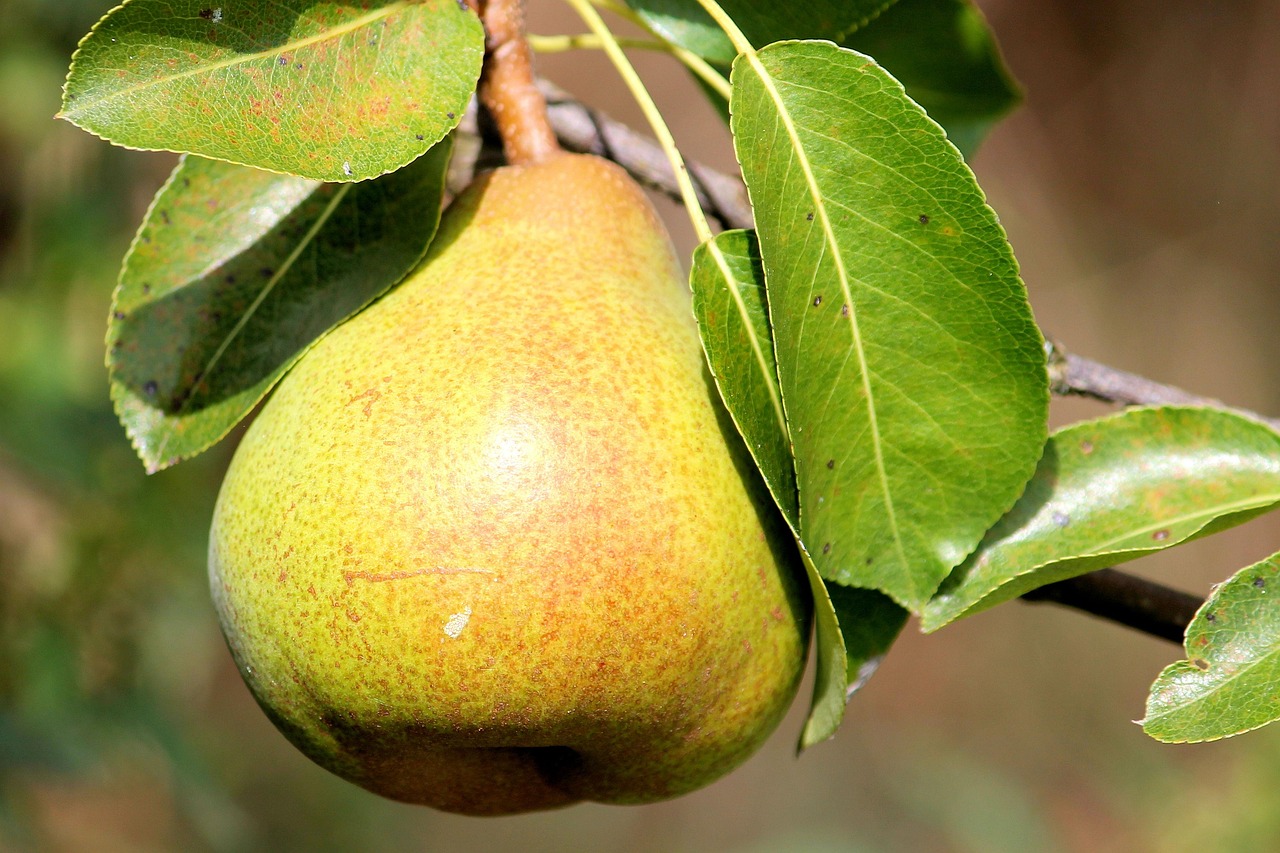
What kind of fruit are we talking about? They produce small, hard, brown pears. They aren’t exactly the kind of fruit you’d want to snack on, but birds seem to like them. And that’s a big part of the problem.
- Seed Production: Initially sterile, but cross-pollination with other Callery pear varieties or even European pears allows for viable seed production.
- Fruit Characteristics: Small, hard, brown pears, generally not edible for humans.
- Seed Dispersal: Birds consume the fruit and spread the seeds through their droppings, often over long distances.
This seed spread is how the Callery pear, including its cultivated forms like the Bradford, has become such a widespread issue. Birds eat the fruit, fly off, and deposit the seeds in new locations, often in natural areas or disturbed land. This is a major reason why the Callery pear is considered an invasive species in many places. It’s a classic example of how a tree planted for its looks can end up causing ecological headaches. The spread of these trees is a significant concern for native plant communities.
The ability of Callery pears to cross-pollinate, even with different cultivars or wild relatives, is the key factor in their transition from ornamental trees to invasive plants. Bird consumption of the small fruits plays a vital role in dispersing seeds far and wide.
It’s a bit of a cycle: pretty flowers in spring, then fruit that birds spread, leading to more trees popping up where they aren’t wanted. This is a big reason why many areas are now trying to remove them and plant native alternatives. The unintended consequences of introducing non-native species can be pretty significant, and the Callery pear is a prime example of how invasive species spread.
Branch Strength and Storm Damage Risk Comparison
When it comes to standing up to wind and weather, both Callery and Bradford pears have some serious drawbacks, but they differ in how they tend to fail.
Bradford pears, in particular, are notorious for their weak branch structure. They tend to grow with very narrow crotch angles, meaning the branches angle sharply upwards, almost parallel to the trunk. This tight V-shape makes it hard for the tree to support its own weight as it gets older, let alone withstand strong winds. The wood itself is also known for being brittle. This combination of a tight branch structure and brittle wood makes Bradford pears highly susceptible to limb failure during storms. You’ll often see them split apart or lose large branches after a good gust of wind.
While the Callery pear (the species itself, not just the Bradford cultivar) can also suffer from storm damage, its structure can vary more. However, many Callery pears also develop narrow crotch angles and brittle wood, leading to similar problems of falling limbs. The risk isn’t just to the tree; falling branches can cause significant damage to cars, homes, and even pose a danger to people.
Here’s a quick rundown:
- Bradford Pear: Very narrow crotch angles, brittle wood, high risk of splitting or limb loss in storms.
- Callery Pear (Species): Can have similar structural weaknesses, though variability exists. Still prone to limb failure.
The tendency for Bradford pears to break apart is so well-documented that many municipalities have removed them from public landscaping to avoid liability issues. It’s a significant concern for homeowners, too, as a falling limb can be a costly and dangerous surprise.
It’s not uncommon to see a Bradford pear that looks like it’s already been through a battle, even on a calm day, with broken branches and split trunks. This inherent weakness is a major reason why these trees are often discouraged from planting in areas prone to severe weather.
Invasiveness Concerns
Okay, so we’ve talked about how these trees look and grow, but there’s a pretty big elephant in the room when it comes to Callery pears, including the popular Bradford variety: they’re invasive. This isn’t just a little weed taking over your garden; it’s a widespread ecological issue.
Originally brought over from China, Callery pears were thought to be a good choice for urban areas. They grow fast, look nice with their white spring flowers, and can handle tough conditions. The Bradford pear, specifically, was developed to be sterile, meaning it wouldn’t produce fruit and spread. That plan, however, didn’t quite work out.
Here’s the lowdown on why they’re causing problems:
- They spread like wildfire: While the original Bradford pears were supposed to be sterile, they can cross-pollinate with other Callery pear varieties that have since been planted. This means they produce fertile seeds.
- Birds love the fruit: These trees produce small, hard fruits that birds eat. When birds eat the fruit, they spread the seeds far and wide, often into natural areas where they outcompete native plants.
- They push out native species: Callery pears leaf out early and grow quickly, shading out native wildflowers and young trees. This reduces the variety of plant life in an area, which in turn affects the insects and animals that depend on those native plants.
- They form dense thickets: In many places, Callery pears have formed dense, impenetrable stands, making it hard for anything else to grow. This is especially noticeable along roadsides, in fields, and at the edges of forests.
The problem is that these trees, while pretty in spring, are actively harming local ecosystems. They don’t support native insects the way local trees do, and their rapid spread means less room for the plants that are supposed to be there. It’s a cycle that disrupts the natural balance.
Because of these issues, many states and local municipalities are now banning the sale of Callery pears. They’re trying to get rid of existing ones and encourage people to plant native alternatives instead. It’s a tough job because these trees are so common, but it’s necessary to protect our natural landscapes.
Maintenance and Pruning Needs of Callery Pear vs Bradford Pear
When it comes to keeping these trees in check, both Callery and Bradford pears have a reputation for being pretty low-maintenance, at least initially. They’re often touted as being tough and able to handle less-than-ideal soil conditions, which is a big part of why they became so popular for landscaping.
However, that “low-maintenance” label can be a bit misleading over time, especially with the Bradford pear. Because of their naturally weak branch structure, they often require more attention than you might think. Pruning is key, especially in the early years, to try and correct those tight V-shaped crotches that are so prone to splitting. Without proper pruning when they’re young, you’re setting yourself up for potential storm damage down the road.
Here’s a general idea of what to expect:
- Early Pruning: Focus on removing crossing branches, those growing inward, and any that form narrow angles with the trunk. Aim for a more open, well-spaced structure.
- Storm Damage: Even with pruning, these trees can be brittle. Be prepared for potential limb breakage during high winds or heavy snow.
- Suckering: Callery pears, including the Bradford variety, are notorious for sending up suckers from the base. These need to be removed regularly to prevent them from taking over and to maintain the tree’s shape.
- Fruit Removal (if applicable): While Bradford pears were initially sterile, cross-pollination with other Callery varieties means they can now produce fruit. If you’re concerned about seed spread, you might need to manage fruiting branches.
It’s important to remember that while they might seem easy to care for at first glance, their inherent structural weaknesses mean that proactive pruning is a must. Neglecting this can lead to more significant problems and costs later on, not to mention safety concerns.
Compared to other ornamental trees, they might still require less overall work, but don’t mistake that for being completely hands-off. Regular checks and strategic pruning are your best bet for managing these trees.
Landscape Uses and Planting Considerations
When you’re thinking about where to put a tree in your yard, Callery pears and Bradford pears used to be pretty common choices. They offered those nice white flowers in the spring and a decent shape. But, as we’ve talked about, they’ve become a real headache because they spread so easily and can cause problems. So, what do you do if you want something pretty for your yard without the environmental drama?
The best advice these days is to skip the Callery and Bradford pears altogether and go for native trees instead. Seriously, there are so many good options out there that look great and actually help out local wildlife and ecosystems. Think about trees that bloom in the spring, offer some shade, and don’t have those weak branches that snap in the first strong wind.
Here are a few native trees that people often suggest as alternatives:
- Eastern Redbud (Cercis canadensis): These trees put on a beautiful pinkish-purple flower show in early spring, usually a week or two after the pear trees bloom. They get to be about 20-30 feet tall and 25 feet wide, and their flowers are a good food source for pollinators. If you really like the idea of white flowers, there’s a white variety of the Eastern Redbud available, too.
- Serviceberry (Amelanchier spp.): Serviceberries are lovely trees or large shrubs that typically reach around 20 feet tall. They have delicate white flowers in early spring and then produce edible berries that both people and wildlife enjoy. They’re a fantastic way to get that spring bloom without the invasive downsides.
- Flowering Dogwood (Benthamidia florida): Known for its large, showy white or pinkish bracts (often mistaken for petals) that appear in late spring, the dogwood is a classic choice. They usually grow to about 20 feet tall and do well in many suburban settings.
- Native Crabapples (Malus spp.): Several species of crabapple are native to North America. They offer beautiful white spring blossoms and typically grow to a mature height of 30-40 feet.
When you’re planning your planting, remember to consider the mature size of the tree and how much space you have. Also, think about the soil conditions and how much sun the spot gets. Choosing a native tree means you’re supporting local biodiversity, which is a win-win.
If you currently have Callery or Bradford pear trees on your property, many areas now have programs that encourage removal and offer native trees as replacements. These initiatives help combat the spread of invasive species while beautifying your landscape with plants that are better suited to the local environment and support native wildlife. It’s a great way to make a positive environmental impact right in your own backyard.
So, while Callery and Bradford pears might have been popular in the past, the trend is definitely shifting towards more responsible and beneficial landscaping choices. Your yard and the local environment will thank you for it.
Which Should You Choose?
So, after all this talk about Callery and Bradford pears, the big question is: which one should you actually consider planting? Honestly, the short answer is neither, if you can help it. While the Bradford pear was initially popular for its looks and resilience, we now know it’s a real troublemaker.
Here’s the lowdown:
- Invasiveness: Both Callery pears and their cultivars, like the Bradford, have proven to be highly invasive. They spread aggressively, pushing out native plants and messing with local ecosystems. This is a major reason why many places are banning them.
- Structural Weakness: Remember how we talked about those weak branch unions? This means they’re prone to breaking, especially in storms. You could end up with a big mess, or worse, damage to your property.
- Unpleasant Odor: Those pretty white flowers? They often come with a smell that’s been compared to rotting fish. Not exactly what you want wafting through your yard.
- Limited Wildlife Value: Unlike many native trees, Callery pears don’t offer much in the way of food or habitat for local wildlife.
The reality is that the ornamental pear tree, particularly the Bradford variety, has caused more problems than it’s worth. Its invasive nature and structural flaws make it a poor choice for most landscapes today. It’s a classic case of a tree that looked good on paper but turned out to be a significant environmental issue.
If you’re looking for a tree with similar aesthetic qualities – spring blooms, nice shape, fall color – there are much better, native alternatives out there. Think serviceberries, redbuds, or certain crabapples. These trees will provide beauty without the ecological headaches. If you already have a Callery or Bradford pear, consider removing it and replacing it with something more beneficial to your local environment. It might seem like a big undertaking, but it’s a step towards a healthier landscape. For more information on why these trees are problematic, you can look into invasive tree species.
Ultimately, choosing a tree is a long-term decision. Opting for a native or non-invasive species is a responsible choice that benefits both your property and the natural world around you.
Deciding between Callery Pear and Bradford Pear trees can be tricky. Both have their good and bad points, but understanding them helps you pick the right one for your yard. If you’re still unsure or need expert advice on tree selection and care, our team is here to help. Visit our website today to learn more and get a free quote for your tree needs!
Frequently Asked Questions
What exactly is a Callery Pear tree?
A Callery Pear tree, scientifically known as Pyrus calleryana, is a type of ornamental pear tree that originally comes from China. It was brought to the U.S. a long time ago to help protect fruit-bearing pear trees from a disease called fire blight. People liked them because they grew fast, looked nice with their white spring flowers, and didn’t need much care.
How is a Bradford Pear different from a Callery Pear?
Think of it like this: Callery Pear is the main type of tree, like a whole family. The Bradford Pear is a specific member of that family, a special variety that was grown for its pretty flowers and neat shape. So, a Bradford Pear is a kind of Callery Pear, but not all Callery Pears are Bradford Pears.
Are Bradford Pears really sterile?
That’s a tricky one! When Bradford Pears were first created, they were thought to be sterile because they were all genetically the same. But, they can sprout new growth from their roots, and these sprouts are different enough to allow for pollination with other Callery Pear varieties. This means they can actually produce seeds, which is a big part of why they’ve spread so much.
Why are Callery Pears considered a problem?
Callery Pears have become a problem because they spread very easily, like weeds. They can grow in almost any condition and quickly take over natural areas, pushing out native plants. Plus, their branches are weak and tend to break easily in storms, which can cause damage.
Do Callery Pears have fruit?
Yes, they do produce small, hard, brown fruits. While they were originally thought to be sterile and not produce fruit, cross-pollination between different Callery Pear varieties (or even with other types of pear trees) can lead to seed production. Birds eat these fruits and then spread the seeds, helping the trees multiply.
Why do Callery Pear flowers smell bad?
The white flowers of the Callery Pear tree often have a strong, unpleasant smell, sometimes compared to rotting fish. This smell is caused by certain chemicals they release to attract pollinators, like bees and other insects. It’s a way for the tree to get help with reproduction.
Are Callery Pears dangerous?
They can be. The branches are known to be weak and brittle, meaning they can snap easily, especially in wind or storms. This can lead to falling branches that could damage property or even hurt people. Also, the wild Callery Pear trees have sharp thorns that can be a hazard.
What should I plant instead of a Callery Pear?
Many beautiful native trees are much better for the environment! Consider planting native options like Red Maple, Serviceberry, Eastern Redbud, or Dogwood. These trees support local wildlife, don’t spread invasively, and have strong structures.