
Autumn Brilliance Serviceberry Size: How Big Will It Grow?
- February 25, 2026
- By Jason Sinclair
Thinking about adding an Autumn Brilliance Serviceberry to your yard? They’re really pretty, especially in the fall. But you might be wondering, just how big do these things get? It’s a good question to ask before you plant anything. Let’s break down the autumn brilliance serviceberry size so you know what to expect.
Understanding Autumn Brilliance Serviceberry
What is an Autumn Brilliance Serviceberry?
So, you’re curious about the Autumn Brilliance Serviceberry? It’s a pretty popular choice for a reason. Basically, it’s a hybrid variety of serviceberry, a cross between two other types, selected specifically for its good looks and disease resistance. People often call it Juneberry too, because that’s usually when the fruit ripens. If you can get to the berries before the birds do, they’re actually edible and taste kind of like a mix between a blueberry and a raspberry. Some folks use them for jams and pies, which sounds pretty tasty.
Key Characteristics of the Autumn Brilliance
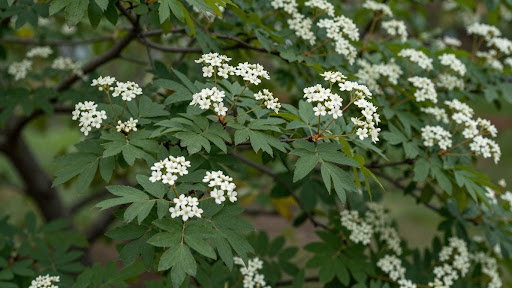
This tree really puts on a show throughout the year. In the spring, you’ll see pretty white flowers, and then those edible berries show up in early summer. But the real star of the show, and where it gets its name, is the fall. The leaves turn this amazing mix of red, orange, and yellow. It’s quite the transformation. It can grow as a single trunk or as a multi-stemmed shrub, which gives you some flexibility in how you use it in your yard. It’s not too picky about soil, but it does like decent drainage and prefers full sun to partial shade. This tree offers beauty in multiple seasons.
- Spring: Delicate white flowers appear before the leaves.
- Summer: Small, dark purple berries ripen, attracting birds.
- Fall: Foliage transforms into brilliant shades of red, orange, and yellow.
- Winter: Interesting bark and branching structure provide visual interest.
This tree is known for being pretty tough, but it can struggle a bit with really hot, dry spells. Making sure it gets enough water during those times is a good idea. Also, a layer of mulch around the base helps keep the soil moist and protects the roots. It’s a good idea to check out tree care guidelines for keeping it healthy, especially when it’s young.
It’s also a great plant for attracting wildlife, especially birds, who love those berries. Butterflies use it as a place to lay their eggs, too. So, it’s not just pretty, it’s functional for your backyard ecosystem.
Autumn Brilliance Serviceberry Size: The Growth Potential

So, you’re curious about how big this Autumn Brilliance Serviceberry is going to get? It’s a fair question, especially when you’re planning where it’ll live in your yard. This tree is pretty popular, and for good reason, but knowing its mature size helps avoid any surprises down the road.
Mature Height of Autumn Brilliance Serviceberry
When it’s all grown up, the Autumn Brilliance Serviceberry typically reaches a height of about 20 to 25 feet. It’s not a towering giant, but it’s definitely substantial enough to make a statement. Think of it as a good-sized small tree, perfect for many residential landscapes without overwhelming the space. It’s also a good candidate for planting under power lines because of its manageable height, which is a nice bonus.
Mature Width of Autumn Brilliance Serviceberry
Along with its height, you’ll want to consider its spread. The Autumn Brilliance Serviceberry usually grows to be about 18 to 20 feet wide. This means it develops a nice, rounded shape, and it needs a bit of room to spread its branches. It has a relatively open form, so while it fills out, it doesn’t typically become a dense, impenetrable mass. This spread is something to keep in mind when you’re deciding on spacing, especially if you’re planting more than one or placing it near other plants or structures.
| Measurement | Typical Range |
| Mature Height | 20 – 25 feet |
| Mature Width | 18 – 20 feet |
Remember that these are typical measurements. Actual size can vary based on growing conditions, care, and the specific plant’s genetics. It’s always a good idea to give your tree a little extra space to thrive.
This tree grows at a medium pace, so while it won’t shoot up overnight, it will steadily reach its mature size over time. With good care, you can expect it to live for 40 years or more, providing beauty for a long time.
Factors Influencing Serviceberry Size
So, you’ve got your eye on the Autumn Brilliance Serviceberry, and you’re wondering what makes one grow a bit bigger or smaller than another? It’s not just about genetics, though that plays a part. A few key things in its environment and how you care for it can really shape its final size.
Environmental Conditions: Sun, Soil, and Water
This tree isn’t super picky, but it does have preferences. Full sun to part shade is ideal for the best growth and flowering. If it’s stuck in too much shade, it might get leggy and not reach its full potential. As for soil, it’s pretty adaptable, but it really doesn’t like to dry out completely. Consistent moisture, especially when it’s young or during hot spells, is important. It also doesn’t appreciate soggy feet, so good drainage is a must. Too much salt in the soil, like from road salt, can also be a problem.
Here’s a quick rundown:
- Sunlight: Aim for at least four hours of direct sun daily. More sun generally means a healthier, more robust plant.
- Water: Keep the soil consistently moist, but not waterlogged. Regular watering is key, especially during dry periods.
- Soil: While it tolerates various types, well-draining soil is best. Avoid areas with poor drainage or high salt content.
Remember, even a tough plant like the Autumn Brilliance Serviceberry needs a little help to thrive. Providing the right conditions from the start sets it up for success.
Pruning and Maintenance for Size Control
Pruning is your main tool for managing the size and shape of your serviceberry. You don’t want to go crazy with it, though. The best time to do any major shaping is in late winter, after the harshest cold has passed but before new growth really kicks off. If you have a multi-stemmed tree, you can thin out some of the inner branches to improve air circulation and light penetration, which helps keep the tree healthy and can influence its spread. For single-stemmed trees, you’ll want to remove any suckers that pop up from the base to maintain that clean, single-trunk look. Overgrown or crossing branches can also be removed to keep the structure sound. It’s also a good idea to keep lawnmowers and string trimmers away from the base of the tree to avoid damaging the bark, which can stress the plant and affect its growth. Keeping the area around the base mulched helps retain moisture and keeps those roots happy, contributing to overall vigor. If you’re looking for tips on how to prune, checking out resources on serviceberry tree care can be really helpful.
Comparing Autumn Brilliance to Other Serviceberry Varieties
When you’re looking at serviceberries, it’s easy to get a bit lost because there are quite a few types out there. The Autumn Brilliance® is a real standout, though, and it’s often compared to its cousins like the Allegheny Serviceberry (Amelanchier laevis) or the Saskatoon Serviceberry (Amelanchier alnifolia).
Autumn Brilliance® is a hybrid, specifically bred to combine the best traits of other varieties, like excellent fall color and better disease resistance. This means you often get a more reliable performer with this cultivar.
Here’s a quick look at how they stack up:
| Variety | Typical Height | Typical Spread | Notable Features |
| Autumn Brilliance® | 20-25 ft | 18-25 ft | Brilliant fall color, good disease resistance |
| Allegheny (A. laevis) | 15-25 ft | 15-20 ft | Smooth, dark bark; often larger, purplish fruit |
| Saskatoon (A. alnifolia) | 10-15 ft | 8-12 ft | Very hardy, large edible berries, can sucker heavily |
| Canadian (A. canadensis) | 15-20 ft | 10-15 ft | Common native, variable fall color, good fruit |
While the Saskatoon serviceberry can get quite tall, sometimes reaching up to 15 feet, it also tends to spread out more, especially if it’s allowed to sucker. The Allegheny serviceberry is pretty similar in size to Autumn Brilliance®, but it might not always give you that same fiery fall show.
It’s worth remembering that while many serviceberries offer edible fruit, the size and flavor can vary. Autumn Brilliance® is known for its pleasant, blueberry-like taste, and the birds seem to agree! If you’re planting for fruit production, you might want to look into the specific characteristics of each variety, though Autumn Brilliance® is a solid all-around choice for both looks and a bit of a harvest. You can find more information on different types of serviceberries, like the Saskatoon berry, to see how they compare in your specific region.
Ultimately, Autumn Brilliance® hits a sweet spot for many gardeners. It offers that multi-season interest – spring flowers, summer berries, and that spectacular autumn display – without getting too massive for most yards. It’s a great way to get a lot of ornamental bang for your buck.
Where to Plant Your Autumn Brilliance Serviceberry

Choosing the right spot for your Autumn Brilliance Serviceberry is pretty important if you want it to really show off. These trees are pretty adaptable, but they do have some preferences. Full sun is ideal for the best flower and fall color display, though they can handle a bit of shade. Think about where you want to enjoy its spring blossoms, summer berries, and that amazing autumn color.
When you’re picking a location, keep its mature size in mind. We’re talking about a tree that can reach about 25 feet tall and spread 18 to 20 feet wide. It’s got a nice rounded shape and a relatively low canopy, usually about 4 feet off the ground. This makes it suitable for planting under power lines, which is a handy bonus for many yards.
Here are a few ideas for placement:
- As a focal point: Its multi-season interest makes it a great specimen tree to draw the eye in a garden bed or lawn.
- For screening: Planted in groups, especially the multi-stemmed varieties, they can create a lovely, natural-looking privacy screen.
- Near a patio or seating area: Enjoy the delicate spring flowers and the shade it provides in the summer.
- To attract wildlife: The berries are a favorite for birds, so placing it where you can watch them is a treat.
They also play well with others. Pairing them with larger trees like Oaks or Maples can create a nice contrast in size and form. You can also plant shade-loving perennials like Hostas or ferns underneath for a layered look.
Remember that while Autumn Brilliance Serviceberry is fairly tough, it doesn’t love extreme heat or prolonged drought. So, picking a spot where it gets consistent moisture, especially when it’s young, will help it establish well. Good drainage is also key; they don’t like sitting in soggy soil.
Consider the soil too. While they aren’t super picky about soil type or pH, they do prefer average to moist conditions. Making sure the soil drains well is a good idea, and a layer of mulch can help keep the moisture in and protect the roots. For optimal growth, watering it approximately once a week is a good starting point, especially during dry spells. You can find more details on successful planting and care to help you get started.
Planning for Your Autumn Brilliance Serviceberry’s Size

So, you’ve decided the Autumn Brilliance Serviceberry is the right tree for your yard. That’s great! Now, let’s talk about making sure it fits just right. Thinking about the mature autumn brilliance serviceberry size is key before you even dig the first hole. These trees can get pretty substantial, usually reaching about 25 feet tall and spreading out 18 to 20 feet wide. It’s not a giant, but it’s definitely not a shrub either.
When you’re figuring out where to put it, consider its eventual footprint. You don’t want it crowding out other plants or bumping into buildings. Think about its shape too – it’s often multi-stemmed, giving it a rounded, somewhat open look. This means it needs a bit of breathing room all around.
Here are a few things to keep in mind:
- Space: Give it at least 15-20 feet of clear space around it. This allows for its full autumn brilliance serviceberry size and prevents issues later on.
- Sunlight: While it tolerates some shade, it really puts on its best show of flowers and fall color in full sun to part shade. Make sure its future spot gets enough light.
- Utilities: The Autumn Brilliance Serviceberry has a moderate spread and a canopy that can be kept relatively high, making it suitable for planting under power lines, but always double-check local regulations. You might want to look into trees like the paperbark maple if you’re concerned about proximity to utility lines, as they have a similar mature size guide on selecting suitable trees.
Remember, these trees can live for 40 years or more, so a little planning now goes a long way. You want to set your autumn brilliance serviceberry size up for success from the start. It’s a beautiful tree, and getting the placement right means you’ll enjoy its multi-season appeal for decades to come.
Proper planning for the autumn brilliance serviceberry size ensures it integrates well into your landscape without causing future problems. Consider its mature dimensions and growth habit when selecting a planting location to maximize its aesthetic appeal and health.
Thinking about how big your Autumn Brilliance Serviceberry will get? It’s smart to plan ahead for its size. Knowing how much space it needs will help you place it just right in your yard. For more tips on keeping your trees healthy and beautiful, visit our website today!
Frequently Asked Questions
How tall does the Autumn Brilliance Serviceberry get?
This lovely tree typically grows to be about 20 to 25 feet tall when it’s fully grown. It’s a good size for many yards, not too big and not too small.
How wide does an Autumn Brilliance Serviceberry get?
When it reaches its full size, the Autumn Brilliance Serviceberry can spread out to about 15 to 20 feet wide. This means it needs a decent amount of space to spread its branches.
Does the Autumn Brilliance Serviceberry need a lot of sun?
It does best in full sun to partial shade. While it can handle some shade, it will produce more flowers and have better fall color if it gets at least a few hours of direct sunlight each day.
What kind of soil does it like?
This tree isn’t too picky about soil! It prefers average to moist soil but can grow in many different types. Just make sure the soil drains well so the roots don’t sit in too much water.
When is the best time to prune it?
The best time to trim your Autumn Brilliance Serviceberry is in late winter, after the danger of really cold weather has passed. This helps keep the tree healthy and looking its best.
Will deer eat my Autumn Brilliance Serviceberry?
Good news! Deer usually don’t find this tree very tasty, so it’s not a favorite snack for them. This makes it a great choice if deer are a problem in your garden.