
Bald Cypress Tree Pros and Cons
- January 6, 2026
- By Jason Sinclair
Thinking about adding a Bald Cypress tree to your yard? They’re pretty neat trees, honestly. You see them a lot in the South, especially in wet spots, but they can do well in regular yards, too. Like anything, though, they’ve got their good points and their not-so-good points. We’re going to break down the bald cypress tree pros and cons so you can figure out if it’s the right fit for your landscape.
Bald Cypress Tree Pros and Cons for Home Landscape
Thinking about adding a Bald Cypress tree to your yard? That’s a great idea! These trees are pretty unique, and honestly, they’ve got a lot going for them, but also a few things you should definitely know about before you plant one. We’re going to break down the bald cypress tree pros and cons so you can make the best choice for your home landscape.
Bald Cypress trees, or Taxodium distichum, are native to the southeastern United States, often found in wet, swampy areas. But don’t let that fool you; they’re surprisingly adaptable and can grow in a variety of conditions, even drier soils, once they’re established. They’re known for their feathery, soft needles that turn a beautiful russet-red in the fall, and they’re one of the few conifers that actually lose their needles in winter – hence the name “bald.”
Here’s a quick look at what makes them stand out:
- Distinctive Appearance: Feathery foliage that changes color and a unique, often buttressed trunk.
- Environmental Adaptability: Thrives in wet conditions but can handle drier soils too.
- Longevity: These trees can live for a very, very long time.
- Seasonal Interest: Offers visual appeal throughout the year, especially with its fall color.
While they offer a lot of benefits, like their stunning fall color and ability to handle wet feet, it’s important to consider their mature size and potential for creating “cypress knees.” These unique features, while interesting, can sometimes pose challenges for lawn maintenance and general landscaping.
We’ll explore the bald cypress tree pros and cons in detail, covering everything from their aesthetic appeal and environmental benefits to potential drawbacks like their size and cleanup needs. Let’s get started!
What Is a Bald Cypress Tree? Key Facts and Characteristics
So, what exactly is a Bald Cypress tree? It’s a pretty unique kind of tree, and knowing a bit about it can help you decide if it’s the right fit for your yard. These trees, scientifically known as Taxodium distichum, are actually conifers, but here’s the twist: they lose their needles in the fall, just like deciduous trees. That’s where the “bald” part of their name comes from. They’re native to the southeastern United States, often found hanging out in wet, swampy areas, but don’t let that fool you – they can handle drier spots too, especially once they’re established.
Here are some key things to know about them:
- Appearance: They have a soft, feathery look thanks to their needle-like leaves, which turn a beautiful coppery-red in the autumn before dropping. The bark is fibrous and reddish-brown. Mature trees can get quite large, with a straight, tapering trunk.
- Habitat: While they love wet environments like swamps and riverbanks, they’re surprisingly adaptable and can grow in various soil types, including drier, upland soils. They prefer full sun.
- Lifespan: These trees are known for their longevity. Some Bald Cypresses have been around for over 2,000 years! They grow relatively quickly when young, especially with good water, but slow down as they mature.
- Unique Feature: You might have heard about “cypress knees.” These are woody projections that grow up from the root system, usually when the tree is in waterlogged soil. They help with stability and getting oxygen to the roots.
Bald Cypresses are one of the few conifer species that shed their needles annually, a characteristic that sets them apart and gives them their distinctive name. This trait, combined with their adaptability to different soil and moisture levels, makes them a fascinating choice for many landscapes.
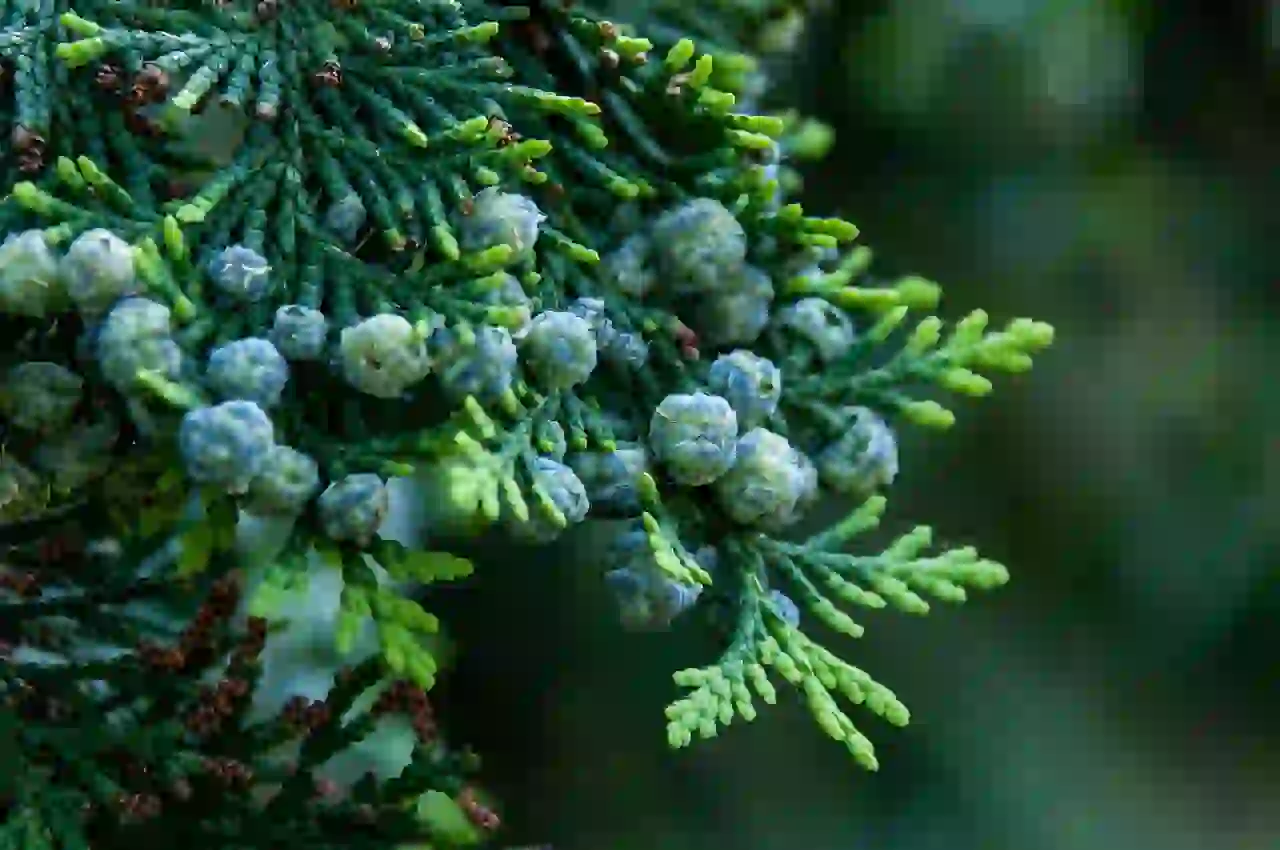
They produce both male and female flowers, which are pretty inconspicuous. The female flowers develop into small, cone-like structures that mature and release seeds in the fall. They’re generally hardy trees, though they can be susceptible to a few pests and diseases like twig blight or certain mites.
Pros: Aesthetic Appeal and Year-Round Visual Interest
One of the biggest draws of the Bald Cypress is its good looks, which change throughout the year. It’s not just a green tree in the summer; it offers a lot more. In spring, you get delicate, feathery needles that are a bright, fresh green. As summer rolls in, the foliage turns a deeper, richer green, providing nice shade. But the real showstopper is autumn. The needles transform into a beautiful coppery-bronze or russet color, making the tree stand out against other fall foliage. It’s a real transformation that adds a lot of warmth to the landscape.
Even in winter, the Bald Cypress has something to offer. While it does lose its needles, the intricate, often twisted branching pattern becomes visible. This structure can look quite striking, especially when dusted with snow or frost. It gives the tree a unique silhouette that adds character to a yard when everything else is bare.
Here’s a quick look at its seasonal changes:
- Spring: New, light green needles emerge, creating a soft, airy look.
- Summer: Foliage deepens to a medium green, offering dense shade.
- Fall: Needles turn a stunning bronze or russet color.
- Winter: The tree’s unique branching structure is visible.
The Bald Cypress is a deciduous conifer, meaning it has needles like a pine tree but loses them annually, much like a deciduous tree loses its leaves. This unique characteristic contributes significantly to its year-round visual appeal.
This tree really does provide visual interest in every season, making it a great choice if you want a landscape that looks good no matter when you’re looking at it. It’s a tree that keeps giving, visually speaking, all year long. For those in warmer climates, it’s a particularly good option, as it’s a native tree for the South Texas landscape.
Pros: Adaptability to Diverse Soil and Moisture Conditions
One of the most impressive things about bald cypress trees is just how tough they are when it comes to where they’ll grow. Forget about needing perfectly drained, sandy loam; these trees are happy in a surprisingly wide range of conditions. They’re famous for thriving in swampy areas, which tells you they can handle constantly wet feet without a problem. Seriously, if your yard tends to get waterlogged after a good rain, a bald cypress might be your best bet. They can actually help manage that excess water, which is a pretty neat trick.
But don’t think they only like it wet. These trees are also surprisingly tolerant of drier spells once they’re established. While they won’t exactly brag about drought conditions, they’re not as fussy as some other trees might be. They can also handle clay soils, which can be a real pain for a lot of plants. This flexibility means you’re not limited to planting them only in those boggy spots.
Here’s a quick rundown of what they can handle:
- Wet Soils: They practically love it, often found in natural wetlands.
- Clay Soils: No problem, they can push through denser soil.
- Occasional Flooding: They’re built to withstand periods of inundation.
- Moderately Dry Sites: Once established, they can manage periods without frequent watering.
This adaptability is a huge plus for homeowners who might not have ideal soil conditions. It means you have a better chance of success, even if your yard isn’t a gardener’s dream.
So, whether you’ve got a soggy patch that never seems to dry out or just average yard soil, the bald cypress is likely to take it in stride. This makes them a really forgiving choice for many different landscapes, offering a bit of a safety net for your planting plans. Their ability to handle these varied conditions is a big reason why they are such a popular choice for yards prone to flooding.
Pros: Environmental Benefits and Wildlife Support
Bald cypress trees are pretty amazing when you think about what they do for the environment and the critters around them. For starters, they’re fantastic at handling water. Their root systems are really good at holding soil together, which helps stop erosion, especially when things get wet. This is a big deal in areas prone to flooding.
Beyond just holding soil, these trees actually soak up a lot of water. This can help lower water levels in soggy spots, making things a bit drier and healthier for the surrounding ecosystem. It’s like they’re natural sponges for your yard or local wetlands.
And the wildlife? They love bald cypress trees. Think about it:
- Birds: Many bird species find shelter and nesting spots in the branches.
- Small Mammals: The tree provides food sources and cover for various small animals.
- Water Birds: Especially if planted near water, they become a haven for ducks, herons, and other water-loving birds.
So, planting a bald cypress isn’t just about having a nice tree; it’s about creating a mini-ecosystem that supports local wildlife and helps manage water. It’s a win-win, really.
These trees are particularly good at helping to manage water runoff and can even help reduce the impact of minor flooding. Their ability to thrive in wet conditions makes them a natural choice for areas where water tends to collect.
Plus, they’re pretty low-fuss once they get going. They don’t need a lot of fussing over to provide these benefits, which is always a plus for us busy homeowners.
Pros: Longevity and Low Maintenance Requirements
One of the really great things about Bald Cypress trees is how long they stick around and how little fuss they generally need once they’re established. We’re talking about trees that can live for hundreds, even thousands of years. Seriously, the oldest known Bald Cypress in North America is over 2,600 years old! That’s a serious commitment to your landscape, but one that pays off in the long run.
Once your Bald Cypress gets past its initial planting phase, it’s pretty much a set-it-and-forget-it kind of tree. They don’t demand constant watering, and they’re not picky about soil, which is a huge plus. You won’t need to fertilize them regularly, especially if your lawn gets some nutrients. The main thing is to keep an eye on them during really dry spells, but for the most part, they handle themselves.
Here’s a quick rundown of why they’re low-maintenance champs:
- Watering: While young trees need consistent moisture, mature Bald Cypresses are quite drought-tolerant. Supplemental watering during extreme heat or dry periods is helpful, but they don’t need constant attention.
- Fertilizing: Generally, Bald Cypresses don’t need fertilizer. If your soil is decent and you’re not seeing any issues, skip it. If you do fertilize, use a slow-release organic option.
- Pruning: They have a natural pyramidal shape and don’t typically require much pruning. You might trim to remove dead or damaged branches, but structural pruning is rarely needed.
- Mulching: Applying mulch around the base helps retain soil moisture and keeps roots cool, but keep it a few inches away from the trunk.
The resilience of the Bald Cypress means it can adapt to various conditions without needing constant intervention. This makes it an excellent choice for gardeners who want a beautiful, long-lasting tree without a lot of demanding upkeep. They’re tough and can handle a lot, which is pretty awesome when you think about it.
So, if you’re looking for a tree that will be a part of your family’s landscape for generations and won’t demand all your free time, the Bald Cypress is definitely worth considering.
Cons: Large Mature Size and Space Considerations
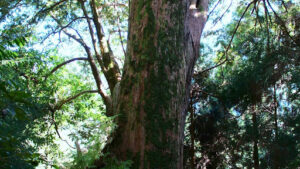
Bald Cypress trees are magnificent, but they really do get big. We’re talking about a tree that can easily reach 50 to 75 feet tall, and sometimes even more. That’s a lot of trees for a typical suburban yard. And it’s not just the height; the spread can be substantial too, often reaching 25 to 40 feet wide. You absolutely need to plan for this kind of growth. Planting one too close to your house, power lines, or even a neighbor’s property line is a recipe for future headaches and expensive trimming or removal.
Think about it this way:
- Foundation Issues: A mature root system can potentially interfere with home foundations or underground utilities if planted too near.
- Shading: Their large canopy can cast significant shade, which might be undesirable for certain garden areas or even your lawn.
- Overcrowding: In smaller landscapes, a Bald Cypress can quickly outgrow its space, making the area feel cramped and limiting options for other plantings.
It’s not just about the immediate planting spot, either. Consider the long-term impact. What looks like a reasonable distance now could be far too close in 20 or 30 years. Some cultivars, like Shawnee Brave®, are more narrowly pyramidal, offering a slightly more compact option, but even these require significant space. It’s always better to err on the side of caution and give these giants plenty of room to grow. You can find more details on specific tree sizes to help with your planning.
Before you even think about digging a hole, take a good, long look at your yard and imagine the tree at its full, glorious size. Measure twice, plant once is the motto here.
Cons: Needle Shedding and Seasonal Cleanup Needs
One of the most noticeable drawbacks of the Bald Cypress is its deciduous nature, meaning it sheds its needles each fall. While this provides a beautiful russet-red color change, it also means you’ll have a significant amount of fallen foliage to deal with. This isn’t just a light dusting; it can accumulate, especially under the tree, creating a thick carpet that needs raking or blowing.
This seasonal shedding is a natural process for the tree, but it requires a commitment to yard maintenance. You can’t just ignore it if you want a tidy landscape. The needles, while soft, can be quite numerous, and they tend to stick around until the weather or a good raking gets rid of them.
Here’s a quick rundown of what to expect:
- Timing: Needle drop typically begins in late autumn and can continue into early winter.
- Volume: The amount of needles shed can be substantial, depending on the tree’s size and age.
- Cleanup: Regular raking or blowing is usually necessary to keep lawns and garden beds clear.
Beyond just the needles, you might also encounter other debris that collects on the branches and falls with the needles. It’s just part of having a living, changing tree in your yard.
While the shedding needles are a predictable part of owning a Bald Cypress, they are a manageable aspect of its care. Planning for this annual cleanup can help integrate the tree smoothly into your landscape without it becoming an overwhelming chore. It’s a trade-off for the tree’s unique beauty and adaptability.
If you’re looking for a tree that requires absolutely minimal seasonal cleanup, the Bald Cypress might not be your first choice. However, for many, the visual rewards of its changing colors and feathery foliage far outweigh the effort involved in tidying up after its natural shedding cycle. It’s a characteristic that makes the Bald Cypress a bit different from your typical evergreen, offering a dynamic presence throughout the year. You can find more information on tree characteristics that might influence your decision.
Cons: “Cypress Knees” and Lawn Maintenance Challenges
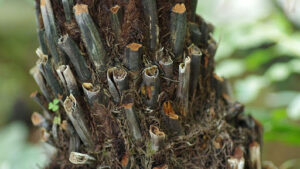
While bald cypress trees are generally low-maintenance, there are a couple of things to consider, especially if you’re planning to plant one near a manicured lawn. One of the most distinctive features of these trees is the “cypress knees.” These are woody projections that grow upward from the root system, often poking out of the soil or water around the base of the tree. They help with stability and oxygenation, particularly in wet conditions. However, these knees can make mowing the lawn a bit tricky. You’ll need to be careful around them to avoid damaging your mower or the tree’s roots.
Beyond the knees, the tree’s natural shedding process requires attention. While the needles turn a beautiful coppery color in the fall, they do eventually drop. This can create a layer of organic material around the base of the tree that might need clearing, especially if you prefer a very tidy yard. It’s not a huge chore, but it’s something to factor in.
Here are some common issues you might encounter:
- Cypress Knees: These root protrusions can be a tripping hazard and make lawn care difficult. You might need to adjust your mowing patterns or even consider a mulched bed around the tree’s base to manage them.
- Needle Drop: While beautiful in autumn, the fallen needles can accumulate and require raking or mulching.
- Pests and Diseases: Though generally hardy, bald cypress trees can sometimes be susceptible to issues like chlorosis (yellowing leaves due to iron deficiency, often in alkaline soils), cypress beetles, spider mites, or needle blight. Proper watering, especially during dry spells, can help prevent some of these problems. If you notice signs of distress, it’s always a good idea to consult with a local arborist for tree care advice.
Managing the unique characteristics of bald cypress trees, like their ‘knees’ and seasonal needle drop, is part of embracing their natural beauty. With a little planning, these potential challenges can be easily incorporated into your landscape maintenance routine, allowing you to enjoy the tree’s many benefits without significant hassle.
Cons: Pest and Disease Vulnerabilities
While Bald Cypress trees are generally tough, they aren’t completely immune to problems. Like any plant, they can sometimes fall victim to pests and diseases, which can be a real bummer if you’ve invested time and effort into your tree.
One common issue to watch out for is chlorosis. This is basically when the leaves turn yellow, especially during dry spells. It often happens because the tree isn’t getting enough iron, which can be a problem in alkaline soils where iron is hard to absorb. Not enough water can also make it tough for the tree to take up iron. If you see yellowing leaves, try giving the soil a good, deep soak. If that doesn’t help, it might be time to call in a tree expert.
Pests can also be a nuisance. Cypress beetles, with their yellow heads and dark markings, might show up and munch on the needles. They’re usually not a death sentence, but a big swarm can cause some damage. Spider mites are another tiny troublemaker. You might not see them, but you’ll see the damage – their feeding can make the foliage look pale and drained.
Fungal diseases, like needle blight, can also affect Bald Cypresses. This shows up as spots on the needles, bark, or cones. It tends to be worse when the weather is dry, so keeping the tree properly watered can help prevent it. Then there are bagworms. These little guys build silk bags, often incorporating bits of the tree itself, making them look camouflaged. The best way to deal with them is usually to just pick the bags off by hand or blast them off with a strong stream of water. Just make sure to get rid of the bags so the worms don’t hatch and start over next year.
Keeping an eye on your Bald Cypress and addressing any issues early on is key to keeping it healthy and looking its best. Regular watering, especially during dry periods, and a general check for any unusual spots or critters can go a long way.
Landscape Planning: Where Bald Cypress Trees Work Best
So, you’re thinking about adding a Bald Cypress to your yard. That’s great! These trees are pretty adaptable, but knowing where they’ll really shine can save you some headaches later on.
Bald Cypress trees are fantastic for areas that tend to get waterlogged or stay damp. If your yard turns into a mini-lake after a good rain, or if you have low-lying spots that never seem to dry out, this tree is practically made for it. They don’t just tolerate wet feet; they actually thrive in them. Think about planting them near ponds, streams, or in areas where drainage is naturally poor. They’re also a solid choice for rain gardens, helping to soak up excess water.
However, don’t let their love for moisture fool you. Established Bald Cypresses are surprisingly tough and can handle drier conditions too, especially if they get a good start when they’re young. They’re often found growing happily in upland soils, parks, and even along roadsides, provided they receive adequate watering during their early years.
Here are some ideal spots to consider:
- Wetlands and Water Features: Perfect for the edges of ponds, lakes, slow-moving streams, or marshy areas. They look right at home here and help manage water levels.
- Rain Gardens: Their ability to absorb water makes them a great addition to gardens designed to handle storm runoff.
- Large Open Spaces: Given their mature size, they need plenty of room to spread out. Think spacious yards, parks, or large properties where they won’t crowd other plants or structures.
- Areas with Poor Drainage: If you have a spot in your yard that always stays soggy, a Bald Cypress can be both a solution and a beautiful focal point.
When planning, remember that while they can grow in various soils, they prefer slightly acidic conditions. Avoid planting them in heavily alkaline soil if you can, as this can sometimes lead to yellowing leaves (chlorosis).
They also need full sun to really show off their best growth and color. So, pick a spot that gets at least six hours of direct sunlight a day. And, of course, give them space! These trees can get quite large, so make sure there’s plenty of room for their canopy and root system to develop without interfering with buildings, power lines, or other landscape features.
Balancing Bald Cypress Tree Pros and Cons for Your Landscape Goals
So, you’ve been thinking about adding a Bald Cypress to your yard. It’s a pretty impressive tree, right? But like anything, it’s not all sunshine and perfect needles. You’ve heard about how tough they are, how they look great year-round, and how they’re good for the environment. That’s all true. They can handle wet feet better than most trees, and their feathery foliage turning that coppery color in the fall is a real showstopper. Plus, they can live for ages, which is pretty cool.
But then there’s the other side of the coin. These trees get big. We’re talking potentially over 100 feet tall with a wide spread. That’s not something you can just tuck into a small suburban lot without some serious planning. And those “cypress knees”? While they’re a natural part of the tree, especially in wetter spots, they can be a bit of a nuisance when you’re trying to mow the lawn or just walk around the yard. Also, while they’re generally low maintenance, they do drop their needles in the fall, which means a bit of seasonal cleanup.
Here’s a quick rundown to help you weigh things:
- Space: Do you have a large yard or an area that can accommodate a tree that will eventually be quite massive? Consider the mature width as much as the height.
- Water: While adaptable, they truly shine in moist or even wet conditions. If your yard is consistently dry, you’ll need to be more diligent with watering, especially when the tree is young. Established trees are more drought-tolerant, but still appreciate a drink during dry spells.
- Aesthetics vs. Practicality: Are you looking for a dramatic focal point, or do you need a tree that won’t interfere with lawn care or pathways? The cypress knees are a unique feature, but they can be a tripping hazard or make mowing difficult.
- Cleanup: Are you prepared for the annual shedding of needles? It’s not like deciduous trees with big leaves, but it’s still a noticeable amount of organic material to manage.
Ultimately, the Bald Cypress is a tree of extremes – it thrives in challenging wet conditions and can live for centuries, offering significant ecological benefits. However, its impressive size and unique growth habits, like the development of cypress knees, require careful consideration for typical home landscapes. It’s a tree that demands respect for its scale and natural tendencies.
If you have the right spot – perhaps a larger property, a rain garden, or an area near a pond or stream – a Bald Cypress can be an absolutely stunning addition. They’re a testament to nature’s resilience and beauty. Just make sure you’re ready for its full potential before you plant. For those with smaller yards or who prefer a more manicured look with minimal fuss, other trees might be a better fit. It’s all about matching the tree’s needs and characteristics with your specific landscape goals and what you’re willing to manage. You can find more information on planting swamp cypress if you’re leaning towards this magnificent tree.
Thinking about planting a Bald Cypress tree? These trees offer a unique look for your yard, but it’s smart to know both the good and the not-so-good points before you decide. We’ve broken down the pros and cons to help you make the best choice for your garden. Ready to learn more about making your landscape dreams a reality? Visit our website today for expert advice and services!
Frequently Asked Questions
What makes a Bald Cypress tree unique?
Bald Cypress trees are special because they are one of the few types of evergreen trees that actually lose their needles in the fall, just like a deciduous tree loses its leaves. This is why they’re called ‘bald.’ They also have cool, woody ‘knees’ that stick out of the ground or water near their base, which help them breathe and stay steady.
Can Bald Cypress trees grow in regular yards, not just swamps?
Yes, they can! While Bald Cypresses love wet areas, they are surprisingly tough. Once they’re established, they can handle dry soil pretty well, making them a good choice for many home landscapes, not just wetlands.
Are Bald Cypress trees messy because they lose their needles?
They do shed their needles in the fall, which means a bit of cleanup is needed. The needles turn a pretty coppery color before they fall. So, while they offer great fall color, be prepared for some raking.
What are those ‘cypress knees’ and are they a problem?
Cypress knees are root-like structures that grow upward from the tree’s base, especially in wet soil. They help the tree get air and stay stable. While interesting, they can sometimes make mowing the lawn a bit tricky if they’re close to the surface.
Do Bald Cypress trees attract a lot of pests or diseases?
Bald Cypresses are generally hardy, but they can sometimes face issues like twig blight, spider mites, or bagworms. Keeping the tree healthy with proper watering and care can help it resist these problems.
How big do Bald Cypress trees get?
These trees can become quite large, often growing very tall and wide. It’s important to consider their mature size when planting them to make sure they have enough space to grow without crowding buildings or other plants.
Are Bald Cypress trees good for the environment?
Absolutely! Their strong root systems help prevent soil erosion and can even help manage flooding by soaking up extra water. They also provide a home and food for various wildlife.
How long do Bald Cypress trees live?
Bald Cypress trees are known for their incredible longevity. Some of the oldest ones can live for hundreds, even thousands, of years, making them a truly long-lasting addition to a landscape.