
Best Time to Plant a Red Maple Tree for Healthy Growth

- November 7, 2025
- By Jason Sinclair
When I’m thinking about getting a new tree, especially something as lovely as a red maple, I always wonder about the best time to put it in the ground. It seems like there’s a lot of advice out there, and honestly, it can get a bit confusing. Red maples are pretty tough trees, and they can handle a range of conditions, which is good news. They’re known for their quick growth and vibrant color, not just in the fall but throughout the year. This means that while they’re adaptable, picking the right season can really give them a head start.
Understanding the Best Time to Plant a Red Maple Tree
Generally, the planting window for most trees, including red maples, opens up when the weather starts to cool down or warm up, but before things get too extreme. We’re talking about avoiding the deep freeze of winter and the scorching heat of summer. The goal is to give the tree enough time to settle in and start growing some roots before it has to deal with tough weather.
- Spring: This is a popular choice because the soil is starting to warm up, and there’s usually plenty of moisture. It gives the tree a whole growing season to establish itself before winter arrives.
- Fall: Many folks consider this the prime time. The soil is still warm from summer, but the air is cooler. This combination encourages root growth without stressing the tree with a lot of top growth.
- Summer: Planting in the heat of summer is generally not recommended. The tree will need a lot of water to cope with both the heat and establishing its roots, which can be a real challenge.
- Winter: Unless the ground is frozen solid, planting in winter is also tricky. The tree is dormant, but the cold can be hard on new roots.
The key is to let the tree focus its energy on getting its roots down into the soil. When the weather is mild and the soil is workable, the tree can do just that without having to worry about producing a lot of leaves or surviving extreme temperatures. This early root development is what sets the stage for a healthy, strong tree down the road.
So, while red maples are quite forgiving, paying attention to the seasons can make a big difference in how well they take to their new home.
Why Spring is Often Considered the Best Time to Plant a Red Maple Tree
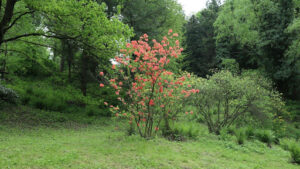
When I’m thinking about getting a new tree, especially something as lovely as a red maple, spring often pops into my head first. It just feels like the natural time to start fresh, you know? The ground is thawing, the air is getting warmer, and everything is just waking up. This timing gives the young tree a whole growing season to get established before the real heat of summer or the harshness of winter hits.
Think about it: you plant your red maple in the spring, and it has months of mild weather and increasing sunlight to really stretch out its roots and start growing. This early start means it’s much better prepared to handle the stresses of the seasons ahead. Plus, the soil is usually moist from winter and spring rains, which is a big help for a newly planted tree that needs consistent watering.
Here’s a quick rundown of why spring planting makes so much sense:
- Root Development: The soil temperature is gradually warming, encouraging root growth without the shock of extreme heat or cold.
- Moisture Availability: Spring often brings consistent rainfall, reducing the immediate need for heavy watering, though you still need to keep an eye on it.
- Extended Growing Season: Planting in spring gives the tree a full summer to establish itself, making it more resilient for the following year.
While fall is also a good time, spring offers a gentler introduction for a new tree. It allows the plant to focus its energy on settling in rather than immediately fighting off extreme temperatures. This initial period of stability is key to long-term health.
I’ve found that trees planted in early spring tend to show more vigor throughout their first year. It’s like giving them the best possible head start. For a beautiful tree like the red maple, which can grow quite quickly, getting that initial establishment right is so important for its future growth and overall health. It’s a bit like plantingmulberry trees – you want to give them the best conditions from the get-go.
The Advantages Of Planting In Fall: The Best Time To Plant A Red Maple Tree In Autumn
While spring often gets the spotlight for planting, I’ve found that autumn offers some really compelling benefits for getting a red maple tree into the ground. The cooler air temperatures and still-warm soil create an ideal environment for root development. This period allows the tree to focus its energy on establishing a strong root system without the stress of extreme heat or the immediate demands of leaf production. It’s like giving your new tree a head start on its life, letting it settle in before the busy growing season arrives.
Think about it: as the weather cools, the tree naturally slows down its above-ground growth. This means less energy is diverted to producing leaves and branches, and more can go towards sending out new roots into the surrounding soil. This is particularly important for red maples, which can grow quite quickly once established. Getting those roots down deep and wide in the fall sets them up for robust growth in the following years. It’s a strategy that really pays off for the tree’s long-term health and vigor.
Here are a few reasons why fall planting makes so much sense:
- Root establishment: The primary advantage is the focus on root growth. The soil is still warm enough for roots to actively grow, while the cooler air reduces water loss from the leaves.
- Reduced transplant shock: Trees planted in the fall experience less stress compared to those planted in the heat of summer. They don’t have to contend with both root establishment and the demands of a full canopy of leaves.
- Moisture availability: Autumn often brings more consistent rainfall, which is perfect for helping the new roots settle in without constant supplemental watering, though you still need to keep an eye on it.
Planting a red maple in the fall is ideal for establishing strong roots. This autumn planting will result in vibrant red foliage the following fall, enhancing your yard’s aesthetic.
I’ve noticed that trees planted in the fall seem to bounce back more readily in the spring. They often show more vigorous growth in their first full season compared to spring-planted trees that might still be playing catch-up. It’s a subtle difference, but over time, it contributes to a healthier, more resilient tree. So, if you’re looking to give your new red maple the best possible start, consider planting a red maple in the fall.
Regional Considerations For The Best Time To Plant A Red Maple Tree
When I’m thinking about planting a red maple, I know the general advice is spring or fall, but where I live really matters. My neighbor down south, for instance, has a much longer growing season than I do up north. This means they might have a bit more flexibility with timing, perhaps even pushing planting a little later into fall than I could safely manage.
The key is to plant at least four to six weeks before the extreme weather of either winter or summer hits your specific area. For me, that means I need to be extra careful about getting my tree in the ground well before the first hard frost. If I wait too long, the young roots won’t have enough time to settle in and get established before the ground freezes solid.
Here’s a quick rundown of how region can play a role:
- Northern Climates: Fall planting is generally best, aiming for late August through September. Spring planting is also an option, but you’ll want to get it done as soon as the ground thaws to give it the longest possible growing season before summer heat.
- Mid-Atlantic/Temperate Zones: Both spring and fall are excellent. Fall planting, from September to November, is often preferred because the cooler temperatures and increased rainfall help roots establish. Spring planting, from March to May, works well too.
- Southern Climates: With longer warm seasons, fall planting can extend later, sometimes into December. Spring planting is also viable, but be mindful of the intense summer heat that can stress a newly planted tree. Early spring is usually the safest bet.
It’s also worth noting that red maples are pretty adaptable and can grow in a wide range of conditions, from mountainous areas to swamps, and from humid northern regions to drier southern ones. Still, paying attention to your local climate patterns is a smart move for successful tree establishment.
Understanding your local frost dates and average summer high temperatures is more important than a generic planting calendar. This local knowledge helps you pick the absolute best window for your red maple to thrive.
Evaluating Soil And Weather Conditions: Timing The Best Time To Plant A Red Maple Tree
When I’m getting ready to plant a red maple, I always take a good look at the ground and the sky. It’s not just about picking a day; it’s about picking the right conditions. You want your new tree to get off to the best start possible, and that means paying attention to what the environment is telling you.
The soil needs to be just right – not too wet, not too dry, and definitely not frozen. Red maples like it a bit acidic and well-drained. If your soil is heavy clay or tends to hold water like a sponge, you might need to amend it before planting. I usually dig a test hole and fill it with water. If it drains within a few hours, I’m usually good to go. If it sits there forever, I know I’ve got some work to do.
Weather-wise, I’m looking for a sweet spot. Too hot, and the tree will struggle to establish its roots. Too cold, and the ground might be too hard to dig, or a sudden freeze could shock a newly planted tree. I try to aim for a period where the temperatures are moderate, and there’s a decent chance of some gentle rain, but not a downpour.
Here’s a quick rundown of what I check:
- Soil Drainage: Does water pool, or does it soak in nicely?
- Soil pH: Is it leaning towards acidic? (A simple test kit can tell you this.)
- Temperature: Are we looking at mild days and cool nights, or extreme heat/cold?
- Precipitation: Is there a chance of steady, soaking rain, or are we in for a drought or a storm?
I’ve learned that rushing the planting process because I’m eager to see the tree in the ground often leads to more problems down the line. It’s better to wait a week or two for ideal conditions than to fight against the elements from day one.
If I’m planting in the fall, I make sure I have at least four to six weeks before the ground is expected to freeze solid. This gives the roots a chance to settle in a bit before winter really hits. For spring planting, I wait until the last hard frost has passed and the soil has warmed up enough to work comfortably.
Preparing Your Site Ahead Of The Best Time To Plant A Red Maple Tree
Before I even think about digging a hole, I like to get the planting spot all sorted out. It just makes the actual planting day so much smoother, you know? For a red maple, I’ve learned that picking the right location is half the battle. They really do best with a good amount of sun, so I’m looking for a spot that gets at least six hours of direct light each day. Too much shade, and I’ve heard they don’t get as vibrant, especially in the fall.
Next up is the soil. Red maples aren’t super picky, but they do appreciate soil that drains well. If I have a spot that tends to stay waterlogged after a rain, I’ll probably steer clear of it. I’ve found that amending the soil with some compost before planting can really help improve drainage and give the tree a good start. It’s also a good idea to check the soil pH; maples generally prefer slightly acidic conditions.
Here’s a quick rundown of what I look for:
- Sunlight: At least 6 hours of direct sun daily.
- Soil Drainage: Avoid areas where water pools.
- Soil Type: Well-drained, loamy soil is ideal.
- Space: Make sure there’s enough room for the tree to grow, both up and out, without hitting power lines or buildings.
I also like to mark out the spot where the tree will go. This helps me visualize its mature size and make sure it won’t interfere with any underground utilities or existing landscaping. It’s better to find out now if it’s too close to something than after the tree is in the ground.
I’ve also learned that it’s a good idea to have any amendments or tools ready to go. That way, when the perfect planting day arrives, I’m not scrambling around looking for things. Having some mulch on hand is also a good idea. It helps keep the soil moist and regulates its temperature. For a red maple, I’m aiming for a spot that offers a good balance of these conditions, which will really help it establish a strong root system. This preparation is key to helping your new tree thrive, and it’s something I always do before planting a red maple.
| Soil Amendment | Purpose |
| Compost | Improves drainage and adds nutrients |
| Peat Moss | Helps retain moisture and acidify soil |
| Sand | Improves drainage in heavy clay soils |
Common Timing Mistakes When Choosing The Best Time To Plant A Red Maple Tree
When I’m getting ready to plant a new tree, I always try to do my homework. But even with the best intentions, it’s easy to mess up the timing. One big mistake I’ve seen people make, and honestly, I’ve been guilty of it too, is planting when the weather is just too extreme. Trying to get a tree into the ground when it’s scorching hot in the summer or when the ground is already starting to freeze in late fall or winter is just asking for trouble. The tree needs a chance to settle in and start growing roots before it has to deal with harsh conditions.
Another common pitfall is not giving the tree enough time to establish before the really tough weather hits. A good rule of thumb I try to follow is to plant at least four to six weeks before you expect extreme heat or deep freezes. This gives the roots a little breathing room to start developing. Planting during a heatwave or when frost is imminent is a recipe for a stressed-out tree.
I’ve also noticed that some folks forget about the tree’s needs during its first year. It’s not just about getting it in the ground; it’s about supporting it afterward. This means making sure it gets enough water, especially during dry spells, and protecting it from potential damage. Forgetting about these crucial early stages can really set your red maple back.
Here are a few timing blunders to steer clear of:
- Planting in the middle of a summer heatwave: The soil is dry, and the sun is relentless, making it incredibly hard for new roots to take hold.
- Waiting too late in the fall: If you plant too close to the first hard freeze, the roots won’t have enough time to establish before winter sets in.
- Ignoring your local climate: What works in one region might not work in another. Always consider your specific weather patterns.
It’s tempting to just get the tree in the ground as soon as possible, but rushing the process or planting at the wrong time can cause more problems than it solves. Patience and careful consideration of the season are key to helping your red maple thrive from the start. It’s better to wait a little longer for the ideal window than to plant and then struggle to keep the tree alive.
Remember, a little bit of planning around the timing can make a world of difference for your new red maple. It’s all about setting it up for success from day one. For more on how to care for your tree, you might want to look into proper pruning techniques.
Post-Plant Care To Support A Red Maple Planted At The Best Time To Plant A Red Maple Tree
Now that your red maple is in the ground, the real work of helping it settle in begins. I’ve found that consistent care in the first year or two makes a huge difference in how well the tree establishes and grows.
First off, watering is key. I always check the soil moisture a few inches down before I water. If it feels damp, I hold off and check again the next day. If it’s dry, I give it a good, deep soak. This is especially important during hot spells, when I might need to water twice a day. Even after the first year, I make sure to water during dry spells and before winter really sets in to keep those roots hydrated.
Mulching is another simple step that pays off. I spread a three-inch layer of mulch around the base of the tree, keeping it a little away from the trunk itself. This helps the soil hold moisture and keeps the roots a bit cooler in the summer and warmer in the winter. It’s like a cozy blanket for the tree’s roots.
Fertilizing usually isn’t a big deal for red maples, but if I notice the leaves looking a bit pale or growth seems slow, I might give it a general-purpose fertilizer in the spring. I just follow the product instructions and usually opt for something with a bit of nitrogen.
Pruning is something I try to do minimally, especially in the first few years. If I do need to trim anything, I wait until after the leaves have fully emerged to avoid that messy sap drip. I focus on shaping the tree for a balanced look and good air circulation.
I’ve learned that patience is a virtue when it comes to new trees. Giving them the right conditions to establish strong roots is more important than rushing any growth. A well-established tree will thank you for years to come.
I also keep an eye out for any signs of stress or pests. If the tree looks unhappy, I try to figure out why and address it. Sometimes, staking a young tree is necessary if it’s in a windy spot, and I’ve used trunk protection in the past to keep critters from nibbling on the bark during winter. It’s all about giving it the best possible start, and for red maples, that means consistent, thoughtful care. Planting a tree is just the first step; nurturing it is where the real reward lies. You can find more information on maple tree care to help guide you.
Taking care of your new red maple tree after planting is key to its healthy growth. Make sure it gets enough water, especially during dry spells, and keep weeds away from its base. Protecting it from harsh weather and pests will help it thrive. For expert advice on keeping your red maple healthy, visit our website today!
Frequently Asked Questions
When is the absolute best time to plant a red maple tree?
From my experience, the ideal times to plant a red maple tree are in the early spring or fall. Planting during these cooler seasons allows the tree to focus its energy on growing strong roots before the heat of summer or the harshness of winter sets in. This helps the tree get established more quickly and leads to a healthier life overall.
Why is spring a good time to plant a red maple?
Planting in the spring gives your red maple a full growing season to get used to its new home. The soil is warming up, and there’s plenty of time for the tree to develop a good root system before the weather gets too hot or too cold. It’s a very forgiving time to plant.
What are the benefits of planting a red maple in the fall?
Fall is also a fantastic time to plant. The air is cooler, which means less stress on the tree, and the soil is still warm enough for roots to grow. This period is actually when trees naturally put a lot of effort into developing their roots, so planting in the fall really helps them build a strong foundation for the following year.
Are there any times I should definitely avoid planting a red maple?
I would strongly advise against planting during the peak of summer heat or when the ground is frozen in winter. Extreme temperatures put a lot of strain on a newly planted tree, making it much harder for it to survive and thrive. It’s best to give your tree a chance to settle in under more moderate conditions.
How does my local weather affect the best planting time?
Your local climate is a big factor. Generally, I recommend planting at least four to six weeks before the really hot or cold weather arrives. So, if you live somewhere with very hot summers, aim for early spring. If your winters are extremely harsh, fall planting might be better, ensuring you plant well before the first hard freeze.
What should I do after planting my red maple at the best time?
After planting, consistent watering is key. I always suggest checking the soil moisture a few inches down. If it feels dry, water deeply. Applying a layer of mulch around the base also helps keep the soil moist and regulates its temperature. Avoid fertilizing right away; the tree needs time to settle in first.