
Black Cherry Seedling: Growth, Care, and Planting Guide

- October 31, 2025
- By Jason Sinclair
I’ve always been drawn to the idea of growing something from scratch, and the black cherry seedling offers a particularly rewarding path for anyone interested in native trees. It’s not just about the eventual fruit, though that’s certainly a perk. These trees are a significant part of our local ecosystems, providing food and shelter for a variety of wildlife. Plus, there’s a certain satisfaction in nurturing a plant from a tiny seed into a mature tree that will stand for decades.
Introduction to the Black Cherry Seedling: Why Grow It
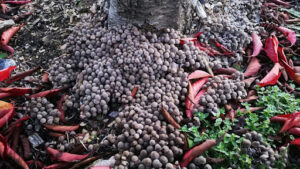
When I first started looking into growing black cherries, I was a bit intimidated by the process. It seemed like there were a lot of specific steps involved, especially when it came to getting the seeds to germinate. But after digging into it, I found that with a little patience and the right approach, it’s quite manageable. The black cherry tree is a beautiful and beneficial addition to any landscape, and growing one from a seedling is a project I highly recommend.
Here are a few reasons why I think you might want to consider growing a black cherry seedling:
- Ecological Value: These trees are native to many parts of North America and are a food source for birds and other animals. Their flowers also attract pollinators.
- Aesthetic Appeal: In the spring, they produce lovely white flowers, and in the fall, their leaves turn a nice shade of yellow or red. The dark cherries are also quite striking.
- Potential for Fruit: While not as commercially cultivated as other cherry varieties, the fruit can be used for jams, jellies, pies, and even wine. Just be aware that the seeds are toxic, so proper preparation is key.
- Hardiness: Once established, black cherry trees are quite resilient and can tolerate a range of soil conditions.
Getting started with a black cherry seedling might seem like a long-term commitment, but the journey itself is part of the reward. It’s a chance to connect with nature and contribute to your local environment in a tangible way. I’ve found that the effort put in during the early stages really pays off as the tree matures.
So, if you’re looking for a project that offers both beauty and ecological benefits, the black cherry seedling is definitely worth considering. Let’s get into how to make it happen.
Selecting & Preparing a Black Cherry Seedling for Planting
When I’m looking for a black cherry seedling to start my own tree, I try to find one that looks healthy and vigorous. It’s not always easy to tell from a bare-root seedling, but I look for plump buds and no signs of damage or disease on the bark. If I’m buying a container-grown seedling, I’ll gently check the roots to make sure they aren’t circling the pot too much. A good root system is key for the tree to establish well.
Before I even think about planting, I prepare the seedling. If it’s a bare-root plant, I usually soak the roots in a bucket of water for a few hours. This helps them rehydrate after being out of the soil. I also take this time to trim off any broken or damaged roots with clean pruning shears. For container-grown seedlings, I’ll gently loosen any roots that are tightly wound around the root ball. This encourages them to grow outwards into the new soil.
Here’s a quick rundown of what I look for:
- Vigorous growth: Look for a seedling with healthy buds and no obvious signs of pests or disease.
- Good root structure: For bare-root, check for intact roots. For container-grown plants, gently inspect for circling roots.
- Appropriate size: While size isn’t everything, a seedling that’s too small might be more susceptible to stress.
I also make sure the soil I plan to use is ready. Black cherry trees do best in a loamy, well-drained soil. I’ve found that a slightly acidic pH, somewhere between 6.0 and 7.0, is ideal. It’s really important to avoid spots where water tends to sit, as these trees don’t like having their roots constantly wet. Preparing the planting site ahead of time means I’m not scrambling when I’m ready to get the seedling in the ground. You can find more details on ideal soil conditions for cherry seeds.
Preparing the seedling and the planting site properly beforehand makes a big difference. It sets the young tree up for success and reduces a lot of potential stress down the line. It’s a bit of upfront work that pays off.
Soil, Light & Site Requirements for a Black Cherry Seedling
When I’m getting ready to plant a black cherry seedling, I always give a good amount of thought to where it’s going to live. It’s not just about sticking it in the ground and hoping for the best, you know? These trees have some preferences, and meeting them makes a big difference.
For light, black cherry trees generally do best with full sun. They really soak up that sunshine, and it helps them grow strong. However, I’ve seen them do okay in partial shade too, especially if I’m in an area where the sun gets pretty intense during the afternoon. If you’re in a really hot climate, giving it a bit of shade in the afternoon can stop the young tree from getting too stressed out. On the flip side, if your area doesn’t get a ton of sun, try to find the spot that gets the most light throughout the day.
Soil is another big one. What I look for is soil that drains well. Nobody wants their tree sitting in a puddle, right? Soggy roots are a recipe for trouble. So, good drainage is key. They also seem to like soil that’s pretty neutral to slightly acidic. I usually aim for a pH that’s not too far off from 7.0. Keeping the soil consistently moist, but not waterlogged, is the goal. Adding some organic mulch around the base really helps with that, keeping the moisture in.
When choosing a spot, think about the long game. Black cherries can grow into pretty big trees, and while they’re beautiful, the fruit they drop can stain surfaces like patios or sidewalks. Also, the seeds from the fruit can be a bit of a tripping hazard. It’s best to plant them away from high-traffic areas or paved surfaces.
Here’s a quick rundown of what I aim for:
- Light: Full sun is ideal, but partial shade is acceptable. In very hot climates, afternoon shade is beneficial.
- Soil Type: Well-drained, moist soil is preferred.
- Soil pH: Aim for a range between 6.0 and 7.0 (slightly acidic to neutral).
- Site Considerations: Avoid areas prone to waterlogging. Consider mature tree size and potential fruit drop.
Getting these basics right from the start sets your black cherry seedling up for a healthy life.
How to Plant a Black Cherry Seedling: Step-by-Step
Alright, so you’ve got your black cherry seedling, and you’re ready to get it into the ground. It’s not too complicated, but doing it right makes a big difference for the tree’s future. I’ve found that timing and a little bit of preparation go a long way.
First off, pick a good spot. Black cherry trees like a decent amount of sun, so aim for a place that gets at least six hours of direct light each day. Make sure the soil drains well, too. Nobody likes soggy roots, and these trees are no exception.
When you’re ready to plant, dig a hole that’s about twice as wide as the seedling’s root ball and just as deep. Gently take the seedling out of its container. If the roots look like they’re all wound up in a tight circle, try to loosen them up a bit with your fingers. This helps them spread out into the new soil.
Carefully place the seedling in the hole, making sure the top of the root ball is level with the surrounding ground. It’s really important not to plant it too deep or too shallow.
Now, backfill the hole with the soil you dug out. You can mix in some compost if your soil is a bit poor, but usually, the native soil is fine. Once the hole is mostly filled, give it a good watering. This helps settle the soil around the roots and gets rid of any air pockets. Finish filling the hole and water again.
Here’s a quick rundown of what to do:
- Dig a hole twice as wide and as deep as the root ball.
- Gently remove the seedling from its pot and loosen any circling roots.
- Place the seedling in the hole, keeping the top of the root ball level with the ground.
- Fill the hole with soil, firming it gently.
- Water thoroughly to settle the soil.
After planting, I like to add a layer of mulch around the base of the tree, keeping it a few inches away from the trunk. This helps keep moisture in the soil and also keeps weeds down. This initial planting step is really key to giving your black cherry seedling the best start possible.
Watering & Fertilization for a Black Cherry Seedling
When I first started growing black cherry seedlings, I wasn’t entirely sure about the best way to keep them hydrated and fed. It turns out, it’s not too complicated, but there are a few things to keep in mind.
For young seedlings, consistent moisture is key. Think of it like giving a baby plant a good start. I aim to keep the soil consistently damp, but not soggy. If you can stick your finger about an inch into the soil and it feels dry, it’s probably time for a drink. This is especially true during their first year. Established trees are a bit tougher and can handle dry spells better, but I still give them a good watering during really hot, dry periods. It’s all about finding that balance; you don’t want their roots sitting in water.
Here’s a quick rundown of what I do:
- Initial Watering: After planting, water thoroughly to settle the soil around the roots.
- First Year: Keep the soil consistently moist, checking every few days.
- Established Trees: Water deeply during prolonged dry spells (weeks without rain).
- Avoid Waterlogging: Always ensure good drainage; soggy soil is a no-go.
As for feeding them, it’s pretty straightforward too. Young seedlings benefit from a little boost. I usually go for a balanced, slow-release fertilizer in the early spring, just as new growth is starting. This gives them the nutrients they need to get going. I’m careful not to overdo it, though. Too much fertilizer can actually harm the plant. For established trees, they don’t need much feeding. An annual application of a balanced fertilizer in the spring is usually plenty. I always read the fertilizer package instructions to make sure I’m using the right amount. It’s better to under-fertilize than over-fertilize, in my experience.
I’ve found that a good layer of mulch around the base of the seedling helps a lot. It keeps the soil from drying out too quickly and also helps regulate the soil temperature, which the young tree appreciates. It’s like a cozy blanket for its roots.
Remember, the goal is to support healthy root development and steady growth. Paying attention to these watering and feeding needs will really help your black cherry seedling thrive and grow into a strong tree. You can find more information on general tree care here.
Pruning, Support & Structure as the Black Cherry Seedling Matures
As my black cherry seedling grows, I’ve learned that a little bit of shaping goes a long way. It’s not just about keeping it tidy; it’s about helping it grow strong and healthy for years to come. I started by looking for any branches that were dead, broken, or just seemed to be crossing over each other in a way that might cause problems later. It’s best to get rid of those early on.
When I prune, I try to think about the overall shape I want the tree to have. I’m aiming for a nice, open canopy. This helps with air circulation, which is a big deal for preventing fungal issues. It also means more sunlight can get to all the parts of the tree, not just the top. I usually do my main pruning in late winter or early spring, before the new growth really kicks in. That way, I can see the tree’s structure clearly without all the leaves.
Here’s a quick rundown of what I look for when I’m pruning:
- Dead or Diseased Branches: These are always the first to go. They don’t help the tree and can spread problems.
- Crossing or Rubbing Branches: If two branches are rubbing against each other, one of them needs to be removed to prevent wounds.
- Water Sprouts and Suckers: These are fast-growing shoots that often pop up from the trunk or base. They can drain energy from the main parts of the tree.
- Branches Growing Inward: I try to remove branches that are growing back towards the center of the tree.
For support, especially when the tree is still young and perhaps a bit wobbly, I might use a stake or two. I’m careful not to tie it too tightly, though. The trunk needs to be able to move a little in the wind to develop strength. I usually remove any stakes once the tree feels sturdy on its own, typically after a year or two.
I’ve found that a well-structured tree is a more resilient tree. Taking the time to prune correctly and provide a little support when needed really pays off in the long run. It’s about setting the stage for a beautiful, strong tree that can handle whatever the weather throws at it.
Pests, Diseases & Threats to a Black Cherry Seedling
Even though black cherry seedlings are generally tough, I’ve learned they aren’t completely immune to problems. Keeping an eye out for common issues is part of the process.
One of the first things I noticed was the tent caterpillars. You’ll see these little webs forming on the branches, and if you don’t deal with them, they can strip the leaves right off. I usually just pull off the webs and the caterpillars by hand. If it’s a really bad infestation, I might consider a targeted spray, but I try to avoid that if I can.
Another issue I’ve had to contend with is black knot. This shows up as these dark, swollen lumps on the branches. It’s a fungal thing. My approach is to prune off any affected branches. I make sure to cut well below the knot, at least six inches, and I do it when the tree is dormant, usually in late winter.
I’ve also seen signs of the cherry bark tortrix. The larvae can damage the bark, which isn’t good for the tree’s strength. I try to spot any holes or sap oozing from the bark. A spray in early spring can help prevent them. Keeping the tree healthy overall with good watering and feeding seems to make it more resistant, too.
Powdery mildew is another one to watch for, especially in humid weather. It looks like a white, dusty coating on the leaves. Making sure the trees aren’t planted too close together helps with air circulation. If I see it starting, I might use a fungicide. Cleaning up fallen leaves is also a good idea to prevent them from coming back.
It’s important to remember that while some parts of the black cherry tree, like the inner bark, have historical uses, they also contain compounds that can be harmful to livestock, especially when the leaves are wilted. Deer seem to handle it fine, but I’d keep pets and other animals away from any fallen or wilting material.
Here’s a quick rundown of what to look for:
- Tent Caterpillars: Visible webs on branches, defoliation.
- Black Knot: Swollen, black growths on branches (fungal).
- Cherry Bark Tortrix: Damage to bark, oozing sap (larvae).
- Powdery Mildew: White, powdery coating on leaves (fungal).
Regularly inspecting my seedlings is the best defense I’ve found against these common problems. Catching them early makes a big difference in how easy they are to manage.
Transplanting, Long-Term Care & Monitoring for Your Black Cherry Seedling
Once your black cherry seedling has established itself, you’ll want to think about its future. Transplanting is a big step, and timing is key. I’ve found that mid-spring is usually a good window, after the worst of the cold has passed but before the real heat sets in. If you miss that, late summer or early fall can also work, as the cooler temperatures are less stressful. Protecting your young tree from hungry critters is also a must for the first few years. Deer and rabbits can do a number on tender bark, so a tree shelter or cage is a smart investment. It not only keeps them safe but can actually help the tree grow a bit faster due to the greenhouse effect.
Long-term care involves keeping an eye on things. Regularly inspect the tree for any signs of pests or diseases. While black cherries are generally tough, the dreaded tent caterpillar can be a real problem, so be ready to act if you see them. Keeping the area around the base of the tree free of weeds and applying a good layer of mulch will help retain moisture, which is important for consistent growth. I try to mulch heavily around the base to keep the soil happy.
Monitoring your tree’s health means looking for new growth, checking the leaves for discoloration, and just generally observing its vigor. If you notice any branches that look dead or diseased, prune them off promptly. This helps the tree maintain a strong structure and reduces the chances of problems spreading. Remember, once the root system is well-established, it’s best not to transplant again, as it can cause significant damage.
Here’s a quick rundown of what to watch for:
- New Growth: Look for healthy leaf and branch development, especially after transplanting. Signs of recovery from transplant shock can appear within a few months.
- Pest Activity: Keep an eye out for common pests like aphids or caterpillars. Early detection makes treatment much easier.
- Disease Signs: Check leaves and bark for any unusual spots, wilting, or discoloration.
- Structural Integrity: Ensure the main trunk is strong and that branches are growing in a desirable pattern.
The goal with long-term care is to provide a stable environment where the tree can reach its full potential. This means consistent watering, especially during dry spells, and occasional feeding if the soil seems lacking. It’s about being observant and responsive to the tree’s needs as it matures into a beautiful specimen.
Taking care of your young black cherry tree after planting is key to its success. You’ll want to make sure it gets the right amount of water and protection as it grows. Regular check-ups will help you spot any issues early on. Ready to give your new tree the best start? Visit our website for expert advice and services to keep your black cherry thriving!
Frequently Asked Questions
How do I prepare black cherry seeds for planting?
To get black cherry seeds ready for planting, I first gather fresh seeds from ripe fruit. Then, I like to give them a cold treatment, called stratification, which helps them sprout. I place the seeds in a damp paper towel inside a plastic bag and put them in the refrigerator for about 90 days. This cold period mimics winter and signals to the seeds that it’s time to grow when they come out.
What kind of soil and light do black cherry seedlings need?
For my black cherry seedlings, I aim for soil that drains well but stays a bit moist. It shouldn’t get too soggy. They also really enjoy sunlight, needing at least six hours of it each day. If I live in a place with very strong sun, I might give them a little bit of shade in the afternoon to prevent them from getting stressed.
How often should I water my black cherry seedling?
When my black cherry seedling is young, I make sure to water it consistently to help its roots grow strong. Once the tree is more established, it can handle dry spells better. However, I still check the soil and water it during dry periods. The key is to keep the soil moist but not waterlogged, as these trees don’t like sitting in too much water.
When is the best time to plant a black cherry seedling?
I find that mid-spring is often a great time to transplant a black cherry seedling into its permanent spot. The weather is usually mild, and the roots can establish themselves well. If it gets too hot, I’ll wait until late summer or early fall when the temperatures cool down. I’ve even planted them as late as December when the ground wasn’t frozen.
What are the common problems I might encounter with a black cherry seedling?
I keep an eye out for common pests like aphids or caterpillars that might try to munch on my black cherry seedlings. Sometimes, a gentle insecticidal soap does the trick. I also check for any signs of disease and prune away any unhealthy parts right away to keep the tree strong and healthy. Protecting young trees from hungry deer and rabbits with tree shelters is also something I do.
How do I fertilize a black cherry tree?
When my black cherry tree is just starting out, I use a slow-release fertilizer in the early spring to give it the nutrients it needs. As the tree gets older, it doesn’t need fertilizer as often. I might give it a boost with a nitrogen-rich fertilizer once a year in the spring. I’m always careful to follow the directions on the fertilizer package to avoid giving it too much.