
Honey Locust Growth Rate and Lifespan: A Complete
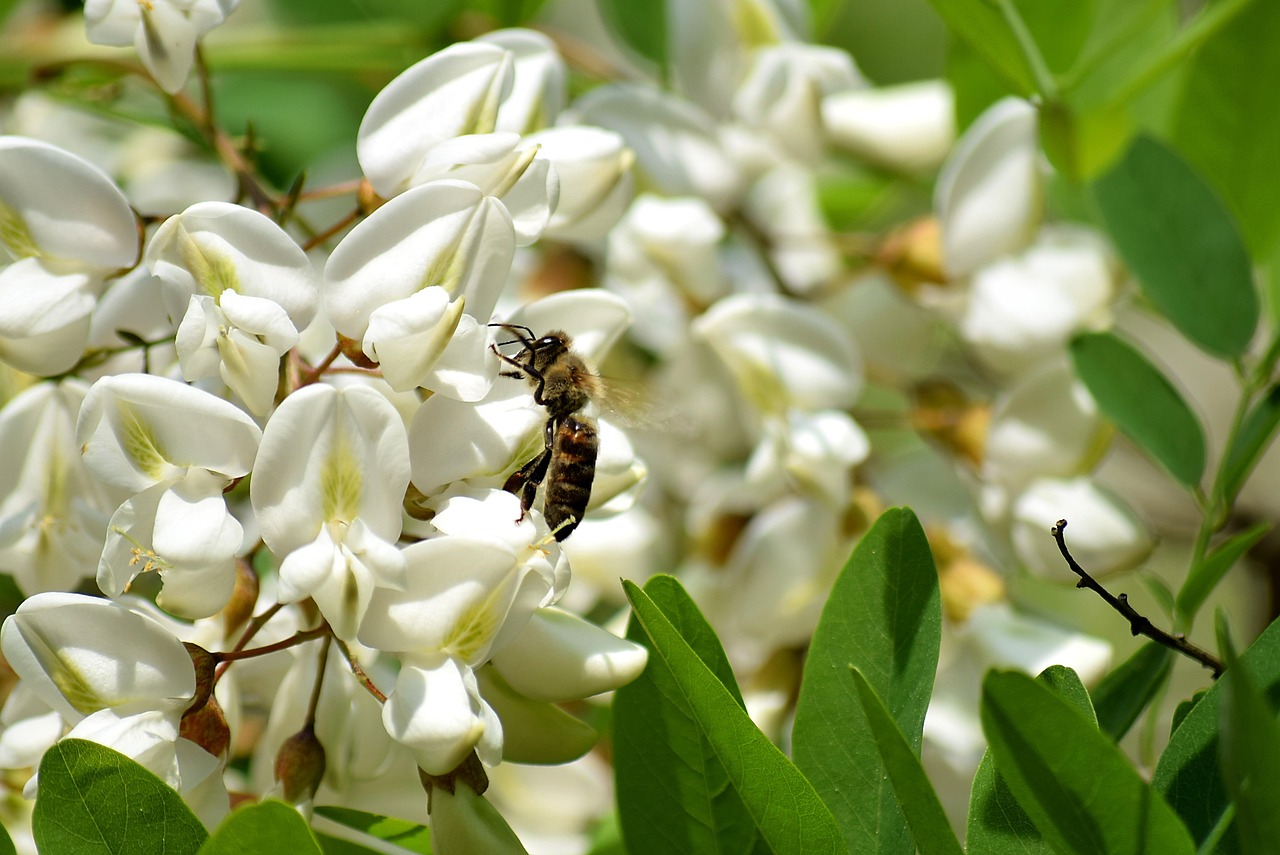
- November 12, 2025
- By Jason Sinclair
When I first started looking into honey locust trees, I was curious about how fast they actually grow and how long they tend to stick around. It turns out, they’re pretty decent growers, especially when they’re younger. These trees can shoot up quite a bit each year, making them a popular choice for people who want some shade relatively quickly. In this article, we will discuss abouthoney locust growth rate in a detailed way.
Understanding the Honey Locust Growth Rate and Its Lifespan
Here’s a general idea of what to expect:
- Growth Rate: In good conditions, you can often see honey locusts adding anywhere from 2 to 5 feet in height annually during their prime growing years. This rate slows down as the tree matures, which is pretty standard for most trees.
- Lifespan: These trees are known for their longevity. I’ve read that they can live for a good while, often reaching 100 to 125 years. Some might even go longer, but that’s a solid expectation for a healthy specimen.
It’s interesting to note that while they grow fast, they don’t typically fix nitrogen like many other legumes do. This means they don’t really enrich the soil in the same way. Also, their seed production starts around 10 years old, with the best crops happening between 25 and 75 years old. So, if you’re planting for future generations, a honey locust is definitely a solid bet.
The adaptability of the honey locust is one of its most striking features. It can handle a wide range of soil types and moisture levels, which contributes to its consistent growth and survival across different environments. This resilience means that, with basic care, you’re likely to have a thriving tree for many decades.
Overview of the Honey Locust Tree and Its Natural Habitat
When I first started looking into the Honey Locust, I was struck by how tough and adaptable this tree is. It’s native to a pretty wide swath of North America, stretching from places like Texas and Louisiana all the way up to Minnesota, and then eastward to Pennsylvania and South Carolina. You can even find them in parts of Florida and Southern Ontario. They tend to like the moist soil found in river valleys, but honestly, they can handle a lot of different conditions.
It’s interesting to think about their history. Some scientists believe that the really big seed pods, which can get up to a foot long and have a sweet, edible pulp inside, evolved because giant prehistoric animals like mammoths and mastodons ate them. The idea is that only these massive creatures could swallow the whole pod, and then, well, the seeds would pass through their digestive system, getting scarified and ready to sprout. Pretty wild, right?
These trees have a long history with humans, too. Native American tribes used the sweet pulp for food and the strong wood for tools. Later, European settlers saw their value and started planting them widely, especially in the Midwest. They became popular for city landscaping because they can handle pollution and tough soil.
Today, you see them used a lot as ornamental trees and even street trees, partly because there are thornless varieties available now. The wild ones can have some pretty serious thorns, which is something to keep in mind. They’re also known for being salt and pollution-tolerant, which makes them a good choice for urban areas.
Here’s a quick look at some of the basics:
- Scientific Name:Gleditsia triacanthos
- Common Names: Honey Locust, Honeylocust, Thorny Locust, Sweet Locust
- Native Range: Eastern North America (USDA Zones 3-8)
- Height: Typically 60-80 feet tall
- Light Needs: Full sun is best
- Soil: Tolerates a range, but prefers well-drained loam
They’re also quite beneficial for wildlife. Bees visit the flowers in spring, insects munch on the leaves and wood, and then birds, deer, and squirrels enjoy the seeds in the fall. It’s a whole ecosystem in one tree.
Average Honey Locust Growth Rate in Different Climates
When I look at how a honey locust tree’s growth rate can vary, climate really seems to be a big factor. It’s not just about how much rain falls or how hot it gets; the overall weather patterns play a significant role.
In milder climates, like those found in the southern parts of its range, I’ve observed that honey locusts tend to grow a bit faster. They can put on about 12 to 26 inches of height annually. This is likely because they have a longer growing season, allowing them to photosynthesize and develop for more months of the year. Seedlings in these areas often reach a decent size, around 12-15 inches, within their first year.
| Climate Zone | Average Annual Growth (inches) | Notes |
| Warm (Zones 7-9) | 18-26 | Longer growing season, generally faster development. |
| Moderate (Zones 5-6) | 12-20 | Growth can be influenced by winter severity. |
| Cold (Zones 4) | 10-18 | Shorter growing season, may be slower to establish. |
Conversely, in colder regions, say Zone 4, the growth rate might be a bit more subdued. The growing season is shorter, and the trees might experience harsher winters, which can slow down their development. I’ve seen trees in these areas grow around 10 to 18 inches per year. It’s not a drastic difference, but it’s noticeable over time, especially in the early years of the tree’s life.
It’s also interesting to note how they handle different conditions within these climates. For instance, while they prefer full sun, they can tolerate some partial shade. However, in areas with less intense sunlight, I’ve noticed that lower branches might start to die off if they aren’t getting enough light. This is just the tree’s way of conserving energy.
The adaptability of the honey locust is quite remarkable. It can thrive in a variety of soil types and moisture levels, which contributes to its consistent performance across different regions. However, extreme conditions, whether too wet, too dry, or lacking adequate sunlight, will naturally impact its growth.
For those looking at specific cultivars, like the Sunburst Honeylocust, their growth habits can also be influenced by the climate they are planted. While generally hardy, understanding your local climate is key to setting realistic expectations for your honey locust tree growth rate.
Here are a few things I keep in mind:
- Establishment Period: Young trees, especially in their first few years, might show slower growth as they focus on developing a strong root system. This is normal.
- Winter Hardiness: Colder climates can sometimes lead to dieback on younger branches, which the tree will recover from, but it can temporarily affect the overall height gain.
- Regional Variations: Even within the same hardiness zone, microclimates can exist. Factors like wind exposure, proximity to water, and urban heat islands can all play a part.
So, while there are general figures for honey locust growth rate, always consider your specific location. It’s a tough tree, but giving it the best conditions possible will always lead to better results.
Soil and Water Conditions That Influence Honey Locust Growth Rate
When I’m thinking about how a Honey Locust tree will grow, I always consider the ground it’s planted in and how much water it gets. It’s not super picky, which is one of the things I like about them, but these factors really do make a difference.
The Honey Locust is pretty adaptable, but it really thrives when it has well-drained, fertile soil. It can handle a range of soil types, from sandy loam to clay, as long as that clay isn’t too heavy and allows water to drain away. If the soil stays waterlogged, the roots can have problems, and that’s going to slow down growth. I’ve seen them do okay in less-than-ideal spots, but for the best growth, good drainage is key. They also don’t mind if the soil is a bit alkaline or acidic, but a pH between 6.0 and 8.0 seems to be their sweet spot. They’re even pretty tolerant of salt, which is handy if you live near a road that gets salted in the winter.
Here’s a quick rundown of what they prefer:
- Soil Texture: Sandy loam, silt loam, clay loam (with good drainage).
- Drainage: Essential. Soggy soil is a no-go.
- pH: Prefers 6.0 to 8.0, but tolerates a wider range.
- Fertility: While they don’t need fertilizer, they grow best in fertile soil.
As for water, it’s a similar story. Young trees definitely need consistent moisture to get their roots established. I usually water them deeply a couple of times a week during that first year or two, especially if it’s dry. Once they’re settled in, though, they become quite drought-tolerant. They can handle dry spells pretty well, but like with soil, they’ll grow faster and reach their full potential with regular, moderate watering. It’s all about finding that balance – not too wet, not too dry. I’ve found that planting them in spring or early fall gives them a good head start before the extreme weather hits.
It’s interesting how the root system adapts. In clay soils, the roots can grow much longer and wider than in richer, deeper soils. This flexibility is a big reason why they can survive in so many different places, but it doesn’t mean they’ll grow at their fastest without the right conditions.
How Sunlight and Temperature Affect Honey Locust Growth Rate
When I’m thinking about how fast a Honey Locust will grow, I always consider the weather. These trees really do best when they get plenty of sunshine. Full sun, meaning about six hours of direct sunlight each day, is ideal for them. They can handle a bit of shade, maybe four to six hours, but they won’t really thrive. If they’re stuck in too much shade, you’ll notice the lower branches might start to die off. It’s just the tree’s way of saying, ‘Hey, I can’t make enough food here!’
Temperature plays a big role, too, especially when you’re looking at different parts of the country. Trees adapted to warmer southern climates might struggle a bit if planted way up north. They might start growing later in the spring and then get hit by a late frost, which can mess up their growth for the whole next year. It’s like they’re not quite ready for the cold snap.
Here’s a quick rundown of what they generally prefer:
- Sunlight: Full sun is best, but they tolerate partial shade.
- Temperature: They do well in USDA Hardiness Zones 3-8, but be mindful of local frost dates if planting a variety not native to your specific area.
- Leaf-out Time: They tend to leaf out a bit later in spring compared to some other trees.
It’s interesting how trees adapt. A Honey Locust from a warmer area might not handle a sudden cold snap as well as one that’s grown up with those colder temperatures its whole life. This can lead to some uneven growth patterns if the tips of the branches get damaged by frost.
Comparing Honey Locust Growth Rate with Other Common Shade Trees
When I’m looking at trees for my yard, I always try to get a feel for how fast they’ll grow compared to other options. It helps me picture the landscape down the road. The Honey Locust is a pretty speedy grower, which is a big plus for me. It can shoot up about 12 to 26 inches per year under good conditions. That’s a decent clip, especially when you think about some of the slower trees out there.
Let’s put it next to a few other popular shade trees I’ve considered:
- Red Maple (Acer rubrum): These are also considered fast growers, often reaching 2 to 3 feet per year. They’re a bit faster than the Honey Locust in their prime growth years, but they can also be more prone to certain issues, like weak wood in some cultivars.
- Oaks (Quercus spp.): Now, oaks are the opposite end of the spectrum. They’re known for being slow and steady, often growing less than a foot per year, especially when they’re young. But they live for centuries and develop a really strong, stately presence.
- Sycamore (Platanus occidentalis): Sycamores are another fast grower, often in the 3 to 6 feet per year range. They get massive, but they can also be a bit messier with their large leaves and bark shedding.
So, where does the Honey Locust fit? It’s definitely in the faster category, offering a good balance between quick shade and a long lifespan (up to 125 years, which is pretty impressive). It’s not as slow as an oak, but it’s not quite as aggressive in its growth as some sycamores. Plus, it’s open canopy means you can often still grow grass underneath, which is a nice bonus.
One thing I’ve noticed is that while Honey Locusts grow fast, they don’t always develop the densest shade. Their small leaflets let a lot of light through. This can be a good thing if you want to keep your lawn healthy, but if you’re looking for deep, dark shade to really cool down an area, you might need to consider other options or plant them closer together.
It’s also worth remembering that the thornless varieties, which I always recommend, don’t have the same wild, imposing look as the thorny ones. They tend to have a more refined, open structure. This makes them easier to work around, but it’s a different aesthetic than, say, a mature oak.
Tips to Improve and Maintain a Healthy Honey Locust Growth Rate
Alright, so you want your Honey Locust to really take off, right? It’s not rocket science, but a little attention goes a long way. First off, where you plant it matters. These trees really like a good dose of sunshine – think six hours of direct light daily. They can handle a bit of shade, but they won’t grow as fast. Also, make sure the soil drains well. They’re pretty adaptable to different soil types, from sandy stuff to clay, but soggy feet are a no-go.
Watering is key, especially when the tree is young. I usually give mine a good, deep soak every week or so during the first couple of years, letting the soil dry out a bit between waterings. This encourages those roots to dig deep. Once it’s established, it’s pretty drought-tolerant, which is a nice bonus.
Pruning is another thing I pay attention to. I usually do it in the winter when the tree is sleeping. I just snip off any dead or broken branches. It helps keep the tree healthy and looking good, and it lets air move through the branches better. Just be careful if you have a thorny variety – those spikes can be nasty, and I’ve learned to clear the ground afterward so I don’t step on any surprises.
When it comes to feeding, Honey Locusts are usually pretty self-sufficient, especially if they’re native to your area. But if your soil seems a bit tired, a balanced fertilizer in the spring can give it a little boost. Just don’t go overboard; too much can make it grow a lot of leaves, but not strong roots. It’s all about balance.
Here’s a quick rundown of what I focus on:
- Sunlight: Aim for full sun (6+ hours daily) for the best growth.
- Soil: Well-drained is the name of the game. It tolerates a range of textures but hates being waterlogged.
- Watering: Consistent, deep watering for young trees, less frequent for established ones.
- Pruning: Dormant season pruning to remove dead or damaged wood.
- Pest Watch: Keep an eye out for common issues like borers or scale, though they’re usually pretty tough.
Honestly, the biggest thing I’ve found is just giving it the right spot and letting it do its thing. They’re pretty hardy trees, and with a little basic care, they’ll reward you with steady growth and a nice presence in the yard for years to come.
Long-Term Expectations for Honey Locust Growth Rate and Tree Longevity
When I think about how long a Honey Locust tree might stick around, it’s pretty impressive. These trees aren’t just a quick fix for shade; they’re built to last. I’ve found that a well-cared-for Honey Locust can easily live for 125 years, sometimes even longer. That’s a serious commitment to a landscape!
It’s interesting to consider how they get to that age. While they grow at a decent clip when they’re younger, reaching heights of 20-30 meters, their growth does slow down as they mature. This isn’t a bad thing, though. It means they become more stable and less prone to issues that can plague faster-growing, shorter-lived trees. Think of it like a marathon runner versus a sprinter – the Honey Locust is definitely built for the long haul.
Here’s a general idea of what to expect over the decades:
- First 10-20 years: This is when you’ll see the most rapid growth. The tree will establish its structure and start to fill out. It’s also around this time, typically after 10 years, that it will begin producing seeds.
- 25-75 years: This is often considered the prime reproductive and growth period. The tree will be at or near its mature height, and seed production will be at its peak. The growth rate will have slowed considerably, but the tree will be robust and healthy.
- 75-125+ years: The tree continues to live, though growth will be minimal. Its main focus is maintenance and survival. It will still be a beautiful specimen, providing shade and habitat, but don’t expect it to get much taller.
It’s important to remember that these are general timelines. Factors like soil quality, water availability, and even the specific cultivar you plant can influence how quickly a Honey Locust grows and how long it ultimately lives. Proper care from the start really makes a difference.
When you compare this lifespan to other common shade trees, the Honey Locust really stands out. Many trees might offer faster shade, but they often come with a shorter lifespan or more susceptibility to disease. The Honey Locust Skyline variety, for instance, is known for its good looks and resilience, contributing to its long life.
So, if I’m planting a tree that I want my grandkids, and maybe even their grandkids, to enjoy, the Honey Locust is definitely a top contender. It’s a tree that offers shade, beauty, and a lasting legacy.
Thinking about how fast Honey Locust trees grow and how long they live? These trees can get quite big over time, and knowing their growth rate helps you plan for the future. If you’re curious about how these trees will look in your yard years from now, or if you need help with tree care, visit our website. We have all the information you need to understand your trees better.
Frequently Asked Questions
How fast do Honey Locust trees grow?
I’ve observed that Honey Locust trees are quite speedy growers. They can add about 12 to 26 inches in height each year. When they are just starting as seedlings, they often reach about a foot to a foot and a half tall in their first year. Even when planted in tougher spots, they tend to grow around 19 inches annually during their early years.
What is the typical lifespan of a Honey Locust tree?
Based on my research, a Honey Locust tree can live for a good long while, usually around 125 years. They grow quickly and reach their full maturity in about 30 to 40 years. So, planting one means you’re likely adding a long-lasting feature to the landscape.
Do Honey Locust trees have thorns?
Yes, the wild Honey Locust trees commonly have thorns. These can be quite large, sometimes 6 to 10 inches long, and they grow from the branches and trunk. However, I’ve noticed that thornless varieties are very popular and widely available, which are often a better choice for planting around homes or in public areas.
What kind of soil and sunlight do Honey Locust trees need?
I’ve found that Honey Locust trees are pretty adaptable. They do best in full sun, meaning about six hours of direct sunlight each day, but they can also manage in partial shade. As for soil, they grow well in many types, like sandy loam or clay, as long as the clay soil drains well. They aren’t too picky about soil pH either.
Are the seed pods of the Honey Locust tree a problem?
I’ve noticed that the seed pods can be a bit of a nuisance. They are large, sometimes up to 14 inches long and twisted, and they drop in the fall. If you don’t have a lot of wildlife around to eat them, you might need to clean them up yourself because they take a while to decompose.
Can I plant grass under a Honey Locust tree?
Yes, I’ve seen that grass can grow quite well under a Honey Locust. Unlike many shade trees that create a very dense canopy, the Honey Locust has a more open shape with small leaflets. This allows enough sunlight to filter through, which is usually enough for most types of grass to thrive.