
How and When to Prune Peach Trees for Strong Branch Structure
- December 26, 2025
- By Jason Sinclair
So, you’ve got a peach tree, and you’re wondering about pruning. It sounds complicated, right? Lots of people find it a bit daunting, but honestly, it doesn’t have to be. Knowing how and when to prune peach trees is actually pretty straightforward once you get the hang of it. It’s not just about making the tree look neat; it’s super important for getting good fruit and keeping your tree healthy and strong for years to come. Knowing how and when to prune peach trees is key to a strong structure and good fruit. Dormant season pruning is for shaping and removing dead wood, while summer pruning is for thinning fruit and light cuts. This guide will walk you through the basics, making sure you know exactly what to do and when to do it.
So, you’ve got a peach tree, and you’re wondering about pruning. It might seem a bit daunting at first, but honestly, it’s not as complicated as it sounds. Getting the timing and technique right is key to a healthy, productive tree. Knowing how and when to prune peach trees helps them grow strong and produce lots of tasty fruit.
Think of pruning like giving your tree a haircut. You’re not just hacking away; you’re shaping it, removing the bits that are weak or in the way, and encouraging it to grow in a way that’s best for fruit production. This isn’t just about looks, either. Proper pruning helps the tree stay healthy, lets sunlight reach the fruit, and makes it easier for you to pick those delicious peaches later on.
Here’s a quick rundown of why it matters:
- Better Fruit Production: Pruning directs the tree’s energy into producing fewer, but larger and sweeter, fruits.
- Stronger Structure: It helps develop sturdy branches that can hold up the weight of the fruit without breaking.
- Disease Prevention: Removing dead or diseased wood and improving air circulation can stop problems before they start.
- Manageable Size: Pruning keeps the tree at a height that’s easy to reach for harvesting and care.
When you’re figuring out how and when to prune peach trees, remember that each cut has a purpose. It’s about guiding the tree’s growth for the long haul, not just a quick fix. This annual attention is what separates a struggling tree from one that thrives.
We’ll get into the specifics of how and when to prune peach trees, but for now, just know that this practice is a big deal for your tree’s overall well-being and its ability to give you a great harvest year after year. It’s a core part of learning how and when to prune peach trees effectively.
Why Pruning Matters: Benefits for Tree Health and Structure
Okay, so why bother with all the cutting and trimming? It might seem a bit harsh, but pruning is actually super important for your peach tree. Think of it like giving your tree a haircut to keep it healthy and productive.
Pruning helps your tree grow a strong framework that can hold lots of fruit. Without it, branches can get weak and break under the weight of the harvest. It also keeps things balanced between the leaves and the roots, especially after you first plant it. When a tree is moved, it loses some of its tiny roots that suck up water and food. Pruning the top part helps the remaining roots catch up and get established.
Here are some of the main reasons you’ll want to grab those pruners:
- Builds a sturdy frame: Pruning helps select and train the main branches, called scaffold branches, so they grow strong and spaced out. This makes it easier for the tree to support heavy crops later on.
- Keeps fruit production steady: It helps balance the tree’s energy between growing new shoots and making fruit. This means you’re more likely to get a good harvest every year.
- Manages tree size: You can keep the tree at a height and spread that’s easy for you to reach for picking and spraying.
- Let’s get in light and air: An open canopy allows sunlight to reach more of the fruit and helps air circulate. This is good for fruit quality and can help prevent diseases.
- Removes the bad stuff: You can easily cut out any branches that are dead, broken, or look diseased, stopping problems from spreading.
Pruning isn’t just about making the tree look neat; it’s a proactive way to manage its growth, health, and how much fruit it will give you year after year. It’s an investment in the tree’s future.
The Best Time to Prune: Key Seasons Explained
Figuring out the right time to prune your peach trees is pretty important for getting good fruit and keeping the tree healthy. It’s not just a random thing you do whenever you feel like it; the season really matters.
The main pruning session for peach trees happens in late winter or early spring, right before the tree starts waking up and growing again. This is usually around February or March, depending on where you live. Waiting until this time means you can see exactly what happened over the winter. Did any branches get damaged by the cold? Were any flower buds killed off? You can make your pruning decisions based on the tree’s actual condition. Pruning too early in winter, when it’s still super cold, can actually hurt the tree because you’re exposing fresh cuts to freezing temperatures. It’s better to wait until the worst of the cold has passed. This is a good time to do the heavier structural pruning, shaping the tree for the year ahead, and removing any dead or crossing branches. You can find more details on late winter pruning.
But wait, there’s more! You can also do some light pruning in the summer. This isn’t about major shaping; it’s more about managing growth. Think of it as a tune-up. Summer pruning is usually done after the main fruit set, maybe in June or July. It helps improve air circulation within the tree and allows sunlight to reach the developing fruit, which can lead to better ripening and fewer disease issues. It’s also a good time to remove any water sprouts – those fast-growing, vertical shoots that pop up and don’t usually produce fruit.
Here’s a quick rundown:
- Late Winter/Early Spring: This is your big pruning time. Focus on structure, removing dead/diseased wood, and thinning out crowded branches. It’s when you make the most significant cuts.
- Summer: This is for light touch-ups. Remove water sprouts, suckers, and maybe thin out some overly vigorous upright growth to improve light penetration.
When you prune, always aim to make clean cuts just outside the branch collar. This little raised ring of bark at the base of the branch helps the tree heal properly. Leaving the collar intact speeds up wound closure and reduces the chance of disease getting in. Don’t bother with those gooey wound dressings; they don’t really help and can sometimes trap moisture.
How and When to Prune Peach Trees: Late Winter/Dormant Season Techniques
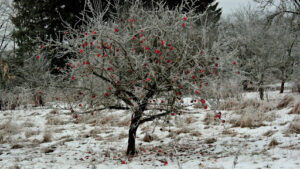
Late winter, just before the buds start to swell, is prime time for the heavy lifting when it comes to pruning your peach trees. This is when the tree is still asleep, making it easier to see the overall structure without all the leaves getting in the way. Plus, pruning now gives the tree a good kickstart for vigorous growth when spring finally arrives. It’s generally recommended to wait until after the really harsh cold snaps have passed, usually about a month before your last expected frost. Pruning too early in winter can actually make the tree more vulnerable to cold damage.
When you get started, grab your tools and make sure they’re clean. You don’t want to spread any diseases around. First things first, take out any branches that are dead, broken, or look sickly. These are usually pretty obvious – they might be discolored or just look lifeless. After that, look for those fast-growing, upright shoots, often called watersprouts. They tend to shoot straight up and don’t really produce fruit, so they’re usually the first to go.
Next, you’ll want to focus on the main scaffold branches. These are the big, foundational branches that form the tree’s structure. Remove any smaller shoots that are growing directly from the main trunk unless they are one of your chosen scaffold branches. If your scaffold branches are getting a bit too long, you can shorten them by cutting them back to an outward-facing bud. This helps control the tree’s size and encourages growth in the right direction. Think about how tall you want your tree to be for easy harvesting – don’t be afraid to make those cuts.
Here’s a quick rundown of what to look for:
- Dead, Damaged, or Diseased Wood: Always the first to go. Look for discoloration or brittle branches.
- Watersprouts: Vigorous, upright shoots that don’t bear fruit.
- Competing Branches: Shoots growing from the trunk that aren’t part of your main structure.
- Scaffold Branch Length: Shorten them to manage tree size and encourage outward growth.
Remember, the goal here is to create a strong, open framework. You’re essentially setting the stage for the tree’s future growth and fruit production. Making these structural cuts now, while the tree is dormant, is key to a healthy and productive orchard for years to come. It’s a bit like building a house – you need a solid foundation.
After you’ve addressed the main structure, take a look at the shoots along each scaffold branch. You want to aim for having a good shot about every 12 inches or so. The shoots you leave behind are the ones that will actually produce your peaches next summer. It’s all about balancing the tree’s energy and making sure it can support a good crop. If you’re looking for more details on establishing that open-center shape, check out how to prune for an open-center. This dormant season pruning is really the most important time to shape your tree for the long haul.
Summer Pruning: When and How to Make Light Cuts
While most of the heavy lifting for shaping your peach tree happens during the dormant season, don’t forget about summer pruning. It’s not about major structural changes, but rather about fine-tuning and guiding the tree’s growth. Think of it as a light touch-up to keep things on track.
The main goal of summer pruning is to direct growth and improve light penetration into the tree’s canopy. This is especially helpful for younger trees, but even mature trees can benefit. It’s a way to manage vigorous growth that might otherwise become problematic.
Here’s what you can do during the summer months:
- Remove unwanted shoots: Keep an eye out for any shoots growing directly from the trunk, especially those below your main scaffold branches. These are usually best removed entirely. Also, take out any shoots that are growing straight up and competing with your desired leader or scaffold branches. If a shoot is growing at a really tight angle (less than 45 degrees) with the trunk or a main branch, it’s often a weak point and should be removed before it gets too big.
- Pinch back upright growth: For shoots that are growing a bit too upright, and you want to encourage a more spreading habit, you can pinch them back. This means gently removing the tip of the growing shoot. Aim to pinch it just above an outward-facing bud or a smaller side shoot. This encourages the energy to go into that outward growth, making the tree wider rather than taller.
- Thin out dense areas: If you notice parts of the tree getting really crowded, especially in the center, you can do some light thinning. This helps air and sunlight reach more of the tree, which is good for fruit development and can help prevent diseases.
When should you do this? The best time is usually in late June or July, while the shoots are still actively growing. You might need to do a quick check in May and again in July, especially for young trees. It’s generally a good idea to finish up any summer pruning by early July so the tree has time to recover before the end of the growing season.
Remember, summer pruning is about making small adjustments. You’re not trying to remove large branches or drastically change the tree’s size. It’s more about guiding the growth that’s already happening and preventing problems before they start. Keep your cuts clean and simple.
Tools You Need for Pruning Peach Trees
Alright, let’s talk tools. You can’t just go at your peach tree with any old thing. Having the right gear makes all the difference, trust me. It means cleaner cuts, less stress on the tree, and frankly, a much easier time for you.
First up, you’ll want a good pair of hand pruners. These are your go-to for smaller branches, anything up to about half an inch thick. Look for bypass pruners – they work like scissors, giving you a nice, clean cut that heals well. Avoid anvil-style pruners for live wood; they tend to crush it.
Next, for branches a bit thicker, say up to an inch or so, you’ll need loppers. These have longer handles, giving you more leverage. Again, bypass style is best here.
If you run into anything bigger than an inch, it’s time for a pruning saw. You can get hand saws designed for pruning, or even a small bow saw. The key is a sharp blade that cuts on the pull stroke. Trying to saw on the push stroke with a regular saw is just asking for trouble.
And a really important, often overlooked tool? Rubbing alcohol or a bleach solution. You need to clean your tools between cuts, especially if you suspect any disease on the tree. This stops you from spreading problems around. Seriously, don’t skip this step.
Here’s a quick rundown:
- Hand Pruners: For twigs and branches up to 1/2 inch.
- Loppers: For branches 1/2 inch to 1 inch.
- Pruning Saw: For branches over 1 inch.
- Rubbing Alcohol/Bleach Solution: For sanitizing tools.
Keeping your tools sharp and clean isn’t just about making the job easier; it’s about the health of your tree. Dull blades tear wood, creating ragged wounds that are harder for the tree to heal and more inviting to diseases. So, take a few minutes to hone those blades and wipe them down. Your peach tree will thank you for it.
How to Prune Peach Trees for an Open-Center Structure
Alright, let’s talk about shaping your peach tree. For peaches, we really want to aim for what’s called an “open-center” or “vase” shape. Think of it like a goblet or a bowl. This isn’t just for looks; it’s super important for getting good fruit and keeping diseases like brown rot at bay. When the tree’s middle is open, sunlight can get in everywhere, which helps the fruit ripen properly and keeps the air circulating.
When you’re starting with a young tree, usually in its first dormant season after planting, you’ll want to pick out three or four main branches. These will be your scaffold branches. Look for ones that are spaced out nicely around the trunk and have wide angles where they attach – we’re talking about angles like 10 o’clock and 2 o’clock on a clock face. Avoid narrow, V-shaped crotches; they’re weak spots that can split later when the tree is heavy with fruit.
Here’s a quick rundown of what to look for when selecting those main branches:
- Wide Angles: Aim for branches that form a wide angle (roughly 45 degrees or more) with the trunk. These are stronger and less likely to break.
- Even Spacing: Try to pick branches that are spread out around the trunk, not all clustered on one side. This helps create a balanced tree.
- Good Vigor: Choose branches that look healthy and are growing well.
After you’ve picked your main scaffold branches, you’ll usually prune them back by about a third. This encourages them to grow stronger and bushier. You’ll also want to remove any branches that are growing straight up from the center of the tree – that’s the central leader we’re trying to get rid of to open things up.
Remember, the goal is to create a structure that allows light and air to penetrate deep into the tree. This means keeping the center open and encouraging outward growth. It might feel a bit drastic at first, cutting back those main branches, but it’s setting your tree up for success down the road.
As the tree grows, you’ll continue to refine this shape. You’ll remove any branches that cross over others, any that are growing downwards, or any that are just getting too crowded. The idea is to maintain that open vase shape year after year, making sure the fruiting wood stays accessible and healthy.
Selecting and Training Strong Scaffold Branches
Alright, let’s talk about picking out the main branches on your peach tree – these are called scaffold branches. They’re basically the backbone of your tree, so getting them right from the start is super important for a strong structure that can handle lots of fruit later on.
Think of it like building a house. You need a solid foundation and strong support beams. For your peach tree, those are the scaffold branches. You want branches that grow outwards from the trunk, not straight up or straight down. The angle where a branch meets the trunk, called the crotch angle, is a big deal. You’re looking for angles between 45 and 60 degrees. Why? Because branches with narrow angles, like those growing almost straight up, tend to have weak attachments. When that branch gets heavy with fruit or covered in snow, it’s much more likely to split off. A wider angle gives you a stronger connection.
Here’s a quick rundown on what to look for:
- Angle: Aim for that 45-60 degree outward angle from the trunk.
- Spacing: Try to space your main scaffold branches evenly around the trunk, like spokes on a wheel. This helps the tree grow out and fill its space nicely.
- Vigor: Pick branches that look healthy and are growing with good energy, but not so aggressively that they’ll outcompete everything else.
- Height: Generally, you want your lowest scaffold branches to start at least 12-18 inches off the ground. This gives you room to work around the tree and prevents issues with equipment later.
Sometimes, you might find a branch that has a good angle but is growing a bit too upright. You can gently encourage it to spread out. When the tree is young, you can use things like clothespins or specialized branch spreaders to hold the branch at the desired angle. You just need to leave them on for a few months while the branch is still flexible. It’s a bit like training a young vine – a little guidance goes a long way.
The goal here is to create a tree that’s open in the center, allowing sunlight to reach all parts of the tree. This not only helps with fruit production but also keeps the tree healthier by reducing disease issues that can pop up in damp, shaded areas. Think of it as giving your tree good ventilation and light exposure.
Don’t be afraid to remove any branches that don’t fit the bill. It might seem harsh, but taking out a poorly angled branch now will save you a lot of heartache down the road when it might break under the weight of fruit. Focus on selecting just a few (usually 3-5) well-spaced, well-angled branches to be your main scaffolds in the first year or two. You can always add more tiers of scaffolds as the tree grows taller, typically spaced about 24-30 inches apart vertically.
How and When to Remove Dead, Diseased, or Weak Wood
Okay, so you’ve got your peach tree, and it’s looking pretty good. But wait, what’s that branch? It’s all brown and brittle, or maybe it’s got some weird spots. That’s where we come in, folks. Removing dead, diseased, or just plain weak wood is super important for keeping your tree healthy and productive. Think of it like cleaning up your garden – you gotta get rid of the stuff that’s not doing anyone any favors.
The main goal here is to stop problems from spreading and to give the healthy parts of the tree more energy.
When should you do this? Honestly, you can tackle this kind of pruning pretty much any time you spot it. But if you’re doing your main pruning in late winter or early spring, it’s a perfect time to do a sweep for any wood that didn’t make it through the cold. You’ll be able to see clearly which branches are dead because they won’t have any buds or leaves on them when the rest of the tree starts waking up. If you see signs of disease, like cankers or unusual spots, get those branches off right away. Don’t wait around.
Here’s a quick rundown of what to look for and how to deal with it:
- Dead Wood: This stuff is usually dry, brittle, and might be discolored. It won’t have any signs of life. Just cut it back to the nearest healthy wood or all the way to the trunk or a main branch if it’s a larger dead limb.
- Diseased Wood: Look for things like unusual spots, wilting, or cankers (sunken, discolored areas on the bark). If you find it, cut well below the diseased area into healthy wood. It’s a good idea to clean your pruners with rubbing alcohol after cutting diseased wood to avoid spreading it to other parts of the tree or to other plants.
- Weak Wood: This can include things like thin, spindly branches that are unlikely to support fruit, or branches that are growing at really awkward angles, especially narrow ones that could split easily. Also, keep an eye out for those fast-growing, upright shoots called water sprouts – they usually don’t produce fruit and can shade out other parts of the tree.
When you’re cutting, always make a clean cut. For smaller branches, your bypass pruners should do the trick. For anything thicker, you might need loppers or even a pruning saw. Make your cut just outside the branch collar, which is that slightly swollen area where the branch meets the trunk or a larger limb. This helps the tree heal over the wound faster.
Don’t be tempted to leave a stub when you cut off a dead or diseased branch. Stubs can trap moisture and invite more problems. Cut cleanly back to healthy tissue or the branch collar. It might look a little bare for a moment, but the tree will thank you for it in the long run.
Remember, getting rid of this unwanted wood isn’t just about tidiness; it’s a key part of keeping your peach tree strong and ready to produce delicious fruit year after year.
Common Pruning Mistakes to Avoid
Alright, let’s talk about what not to do when you’re pruning your peach trees. It’s easy to get carried away or just plain mess things up if you’re not careful. We’ve all been there, right? Trying to fix something and making it worse.
One of the biggest oopsies is pruning at the wrong time. If you prune too late in the spring, you might accidentally cut off all the flower buds that were just getting ready to open. That means no peaches for you that year. Stick to late winter or early spring, before things really start waking up.
Another common blunder is leaving stubs. When you cut a branch, make sure you cut it close to the main trunk or a larger branch. Leaving little stubs is like leaving an open door for diseases and pests to get in. It’s just asking for trouble.
Here are a few more things to watch out for:
- Over-pruning: Taking off too much at once stresses the tree. It’s better to prune a little each year than to hack away a huge amount every few years. Aim to remove no more than a third of the tree’s growth in any given year.
- Ignoring narrow crotch angles: Branches that grow out at a sharp angle, less than 45 degrees from the trunk, are weak. They tend to split under the weight of fruit or wind. Try to remove one of these branches if you have two growing too close together at a tight angle.
- Not removing dead or diseased wood: This seems obvious, but sometimes people forget or put it off. Dead and diseased branches can spread problems to the rest of the tree. Get them out of there as soon as you spot them.
- Using dull or dirty tools: This is a recipe for ragged cuts that don’t heal well and can introduce disease. Keep your pruners sharp and clean them after each use, especially if you’ve been cutting diseased branches.
Making big, messy cuts is also a no-no. These take a long time to heal and give diseases a good entry point. Try to make clean cuts that are flush with the branch collar, which is that slightly swollen area where the branch meets the trunk. This helps the tree seal the wound quickly.
And finally, don’t forget about the structure. If you’re not paying attention to how the branches are growing, you can end up with a tangled mess that’s hard to manage and doesn’t produce well. Think about creating that open-center shape from the start.
After Pruning Care: What to Expect and Next Steps
So, you’ve finished pruning your peach tree. Great job! Now what? Well, the tree is going to need a little TLC to recover and get ready for its next growth spurt. Think of it like recovering from a haircut – it feels lighter, maybe a bit exposed, but ready to grow back stronger.
First off, keep an eye out for any signs of stress. This might include wilting or yellowing leaves, though this is less common if you pruned during dormancy. The most important thing now is to ensure the tree has consistent moisture. If you’ve pruned during a dry spell, give it a good watering. Don’t drown it, but make sure the soil stays evenly moist, especially around the root zone. This helps the tree heal and encourages new root growth.
Here’s a quick rundown of what to do:
- Watering: Provide consistent moisture, especially if the weather is dry. Aim for deep watering rather than frequent shallow sprinkles.
- Fertilizing: Hold off on heavy fertilization right after pruning. Wait until you see signs of new growth. If you fertilize too early, you might encourage weak, leggy growth that can be easily damaged.
- Pest and Disease Watch: Pruning cuts can sometimes be entry points for diseases or pests. Keep an eye out for any unusual spots, cankers, or insect activity. If you notice anything concerning, address it promptly. Sometimes a fungicide spray is recommended right after pruning, especially if brown rot is an issue in your area.
- Mulching: Applying a layer of organic mulch around the base of the tree (but not touching the trunk) helps retain soil moisture and regulate soil temperature. It’s like a cozy blanket for the roots.
You might notice some sap weeping from larger cuts. This is usually normal and the tree’s way of sealing itself up. Just make sure your cuts were clean and didn’t leave ragged stubs, as those are more inviting to problems. If you’re in an area prone to specific diseases, like brown rot, you might want to consult local recommendations for post-pruning treatments. For general peach tree care, understanding watering needs is a key essential practice.
Over the next few weeks, you should start seeing tiny buds swelling, and eventually, new leaves and shoots will emerge. This is a good sign that your pruning efforts were successful and the tree is responding well. Remember, pruning is an ongoing process, and each year you’ll learn a bit more about what your specific tree needs to thrive and produce lots of delicious fruit.
Mastering How and When to Prune Peach Trees for Long-Term Success
So, you’ve been tending to your peach trees, making those cuts, and hopefully seeing some good results. But how do you keep this going year after year? It’s all about consistency and paying attention to what the tree is telling you. Think of pruning not as a one-time fix, but as an ongoing conversation with your tree.
The goal is to maintain a healthy, productive tree that’s easy to manage. This means keeping an eye on its structure, ensuring good light penetration, and encouraging strong fruiting wood. It’s a bit like tending a garden; regular attention prevents bigger problems down the road.
Here’s a quick rundown of what to keep in mind for the long haul:
- Annual Pruning is Key: Don’t skip a year. Regular pruning keeps the tree vigorous and manageable. It helps balance growth with fruit production, leading to better yields and quality.
- Watch for Growth Habits: Notice where new growth is happening. You want to encourage fruiting wood, which is typically one-year-old wood. Remove overly vigorous upright shoots (watersprouts) and keep branches that grow more horizontally.
- Maintain the Open Center: Continue to shape your tree into that open vase form. This allows sunlight to reach all parts of the tree, which is vital for ripening fruit and preventing disease.
- Keep an Eye on Height: Aim to keep your trees at a manageable height, usually around 7 to 9 feet. This makes harvesting and any future pruning much easier.
It might seem like a lot, but once you get into the rhythm, it becomes second nature. Remember, the best time to prune is during the dormant season, typically late winter, before new growth starts. This timing helps the tree heal quickly and reduces the risk of disease. For more on when to prune, check out When to prune peach trees.
Pruning isn’t just about cutting branches; it’s about guiding the tree’s energy. By making thoughtful cuts, you’re directing the tree to put its resources into producing strong branches and delicious fruit, rather than just lots of leaves and weak growth. It’s a practice that pays off season after season.
Don’t forget about fruit thinning, too. While not strictly pruning, it’s a vital step in managing your crop load. Removing excess small peaches allows the remaining ones to grow larger and tastier. This also prevents branches from breaking under the weight of a heavy crop.
Want your peach trees to produce fruit for years to come? Knowing the best times and ways to trim them is super important. It helps keep them healthy and strong. Learn the secrets to successful pruning and watch your trees thrive! Visit our website today for expert tips and services.
Frequently Asked Questions
When is the absolute best time to prune my peach tree?
The best time to prune your peach tree is during the late winter or early spring, but you should wait until the really cold weather has passed. Pruning when it’s super cold can hurt the tree. Think about a month before your area’s last expected frost.
Why is it so important to prune peach trees into an ‘open-center’ or ‘vase’ shape?
Creating an open-center shape is super important for peach trees. It lets sunlight get into the middle of the tree, which helps the fruit grow big and tasty. It also helps stop diseases like brown rot from taking over.
What are ‘scaffold branches,’ and how do I pick the best ones?
Scaffold branches are the main branches that grow out from the trunk. When your tree is young, pick three or four strong branches that are spaced out nicely around the trunk. They should attach to the trunk at a wide angle, like a ‘V’ shape, not a narrow ‘Y’. This makes them strong enough to hold lots of fruit later on.
How much should I cut back the branches when I prune?
When you prune branches, especially the main scaffold branches, cut them back by about one-third of their length. Always make your cut just above a bud that’s pointing outwards. This encourages new growth to spread away from the center of the tree.
What’s the difference between dormant pruning and summer pruning?
Dormant pruning, usually done in late winter, is for shaping the tree and removing dead or crossing branches. Summer pruning is lighter and is mostly done to thin out the fruit and remove fast-growing shoots that won’t produce fruit.
How do I deal with dead, diseased, or broken branches?
You should remove any dead, diseased, or broken branches as soon as you see them, no matter the season. Make a clean cut right back to where the branch joins a larger limb or the trunk. This helps the tree heal faster and prevents diseases from spreading.
What tools do I need for pruning peach trees?
You’ll need a good pair of hand pruners for smaller branches, and loppers for branches that are a bit thicker. For really large branches, a pruning saw might be necessary. Always make sure your tools are sharp and clean to make neat cuts.
Why do I need to thin the fruit on my peach tree?
Thinning the fruit means removing some of the tiny peaches when they are still small. This might seem strange, but it’s really important! It stops the branches from breaking under the weight of too much fruit, makes the remaining peaches grow bigger and taste better, and helps the tree produce fruit every year instead of just every other year.