
Weeping Willow Growth Rate: How Fast Do They Grow?

- February 11, 2026
- By Jason Sinclair
Thinking about planting a weeping willow? They’re gorgeous trees with those signature droopy branches that add so much charm to a yard. But how fast do they actually grow? It’s a common question because, let’s be honest, who doesn’t want a bit of instant beauty? We’re going to break down the weeping willow growth rate and what helps them shoot up.
Understanding Weeping Willow Growth
Typical Weeping Willow Growth Rate
When people talk about weeping willows, one of the first things that comes up is how fast they grow. And honestly, they’re not kidding. The weeping willow’s growth rate is pretty impressive, especially in the early years. You can expect these trees to shoot up anywhere from 3 to 10 feet in a single year. That’s a lot of growth, making the weeping willow tree growth rate one of the quickest you’ll find in the tree world. It’s this rapid expansion that gives them their dramatic, flowing look relatively quickly.
Factors Influencing Growth Speed
So, what makes one weeping willow zoom ahead while another seems to take its sweet time? It’s a mix of things, really. The weeping willow growth rate isn’t set in stone; it’s influenced by its environment and how you care for it. Think of it like this: a plant in perfect conditions will do better than one struggling. We’ll get into the specifics of what those conditions are, but generally, things like sunlight, water, soil quality, and even the local climate play a big role in how quickly your weeping willow tree growth rate performs.
It’s fascinating how much variation there can be in the weeping willow growth rate, even between trees of the same age. This adaptability is part of what makes them so popular, but it also means you can’t just assume a certain size by a certain age without considering the conditions.
Here’s a quick look at what impacts how fast your weeping willow tree growth rate will be:
- Water Availability: These trees are thirsty! Consistent moisture is key.
- Sunlight Exposure: More sun generally means more energy for growth.
- Soil Quality: Rich, well-draining soil helps them thrive.
- Nutrient Levels: Like us, they need good food to grow strong.
- Climate: Extreme temperatures can slow things down.
Key Factors Affecting How Fast Weeping Willows Grow
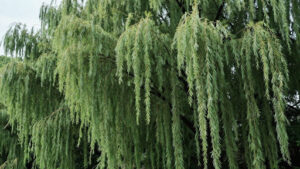
So, you’ve got a weeping willow, and you’re eager to see it shoot up, right? Well, a few things really make a difference in how quickly these trees reach their full, graceful potential. It’s not just about planting it and forgetting it; there are definitely some environmental and care aspects that play a big role.
Sunlight Requirements
Weeping willows are sun-worshippers, generally. They really do best when they can soak up at least six hours of direct sunlight each day. If you’re in a super hot climate, a little afternoon shade might be okay, but for most of us, more sun means more growth. Think of it like a plant needing light to make food – the more light, the more energy for growth, making it taller and wider.
Water and Soil Conditions
This is a big one. Willows, as you might guess from their name, love water. They don’t want to sit in a swamp, mind you, but consistently moist soil is key. Planting them near a pond or stream is ideal, but if that’s not an option, you’ll need to be diligent about watering, especially when the tree is young. The soil itself should drain well, even though it needs to stay damp. A mix of sand can help improve drainage if your soil is too heavy. They aren’t super picky about the exact soil type, whether it’s clay, loam, or sand, as long as it holds moisture without becoming waterlogged. Getting the soil right is a huge step towards a happy, fast-growing tree.
Nutrient Availability
While willows aren’t the most demanding trees when it comes to nutrients, they do benefit from a little boost now and then. A balanced fertilizer applied in the spring can really help young trees get established and push out new growth. It’s not usually a make-or-break factor like water or sun, but it can certainly give your tree an edge, especially if your soil is a bit lacking. You don’t need to go overboard; a simple spring feeding is often enough to support their vigorous growth.
Climate and Temperature
Weeping willows are pretty adaptable, but they do have their preferences. They generally do well in temperate climates, thriving in USDA hardiness zones 4 through 9. Extreme heat or prolonged cold snaps can stress the tree and slow down its growth. The humidity found in many of these zones also seems to help them flourish. If you live in an area with very harsh winters or scorching summers, you might see a slower growth rate compared to more moderate regions. Understanding your local climate and temperature is important for setting realistic growth expectations.
Pruning and Maintenance
While not strictly about growth rate, how you maintain your tree can indirectly affect it. Regular checks for pests or diseases are important because a sick tree won’t grow well. Also, while not usually necessary for growth, pruning can help shape the tree and remove any dead or damaged branches, allowing the tree to focus its energy on healthy new growth. It’s more about keeping the tree healthy overall so it can grow at its best pace.
Keeping your weeping willow happy with the right amount of sun, consistent moisture, and decent soil is the best way to encourage it to grow quickly. It’s less about complex techniques and more about meeting its basic needs consistently.
Maximizing Your Weeping Willow’s Growth

So, you’ve got a weeping willow, and you’re hoping for that impressive, fast growth we talked about. It’s totally doable, but it does take a little attention. Think of it like giving your tree the best possible environment to really show off. It’s not just about planting it and forgetting it; a little effort goes a long way.
Choosing the Right Location
This is probably the most important step, honestly. Where you put your weeping willow matters a lot. These trees absolutely love water, so if you can plant them somewhere that naturally gets a lot of moisture, that’s ideal. Think near a pond, a stream, or even just a spot in your yard that tends to stay damp after it rains. If you don’t have a natural water source nearby, you’ll need to be more diligent with watering, which we’ll get to.
Also, consider sunlight. While they can tolerate some shade, weeping willows really thrive and grow fastest when they get plenty of sun. Aim for a spot that gets at least six hours of direct sunlight each day. Too much shade and you’ll notice the growth slowing down, and the tree might not look as full or vibrant.
Proper Watering and Fertilization Schedule
Water is key, like we’ve mentioned. For a young tree, or one not near a water source, you’ll want to keep the soil consistently moist. A good rule of thumb is to check the soil about two inches down. If it feels dry, it’s time to water. Don’t let it dry out completely, but also try not to let it sit in soggy conditions all the time, as that can lead to root problems. For established trees, they’re a bit more forgiving, but regular watering during dry spells is still a good idea.
When it comes to fertilizer, weeping willows aren’t super demanding, but a little boost can help. You don’t need anything fancy. A balanced, all-purpose fertilizer applied in the spring, just as new growth is starting, is usually enough. Follow the package directions carefully – you don’t want to overdo it, as too much fertilizer can actually harm the tree. It’s more about giving it a little extra food to support that rapid growth, not forcing it.
Here’s a quick rundown:
- Watering: Aim for consistently moist soil, especially for young trees. Check the top two inches; water when dry.
- Sunlight: At least six hours of direct sun daily is best for optimal growth.
- Fertilizing: Use a balanced fertilizer in early spring, following package instructions.
Remember, weeping willows are naturally fast growers. Your job is to provide the conditions they love – plenty of water, good sun, and decent soil – and they’ll do the rest. It’s about supporting their natural tendencies, not trying to force them into something they’re not.
Want your weeping willow to grow big and strong? Giving it the right care is key! Make sure it gets enough sun and water, and trim it back when needed. These simple steps can help your tree reach its full potential. For more expert tips on keeping your trees healthy and thriving, visit our website today!
Frequently Asked Questions
What do weeping willows need to grow quickly?
To help your weeping willow grow its best, make sure it gets lots of sunshine – at least 4 hours of direct sun daily is great. They also really love water, so planting them in soil that stays moist but drains well is key. Think near a pond or stream, but they’re not too picky as long as the ground is damp.
How tall will a weeping willow be in 5 years?
In about 5 years, a healthy weeping willow that’s getting good care and has the right conditions could easily be 15 to 40 feet tall. It really depends on how much sun and water it gets, and the type of willow it is.
How long does it take for a weeping willow to reach its full size?
Most weeping willows become fully grown, reaching their maximum height and spread, in about 10 to 15 years. They grow really fast when they’re younger, and then their growth slows down a bit as they get older and more mature.
Are weeping willows messy trees?
Weeping willows can shed leaves and small twigs, which is normal for most trees. They are known for being ‘first to leaf and last to drop,’ meaning they have foliage for a good part of the year. While they might need occasional cleanup, their fast growth and beautiful appearance often make them worth it.