
When Do Maple Trees Drop Their Seeds?
- March 3, 2026
- By Jason Sinclair
Ever wonder about those little helicopters that fill your yard in the spring and early summer? Those are maple tree seeds, and knowing when do maple trees drop their seeds can help you prepare for the cleanup. The primary season when do maple trees drop their seeds is typically late spring to early summer, though some species might have secondary drops in the fall. It’s not just a random event; there’s a whole process behind it, from the tree’s life cycle to the specific type of maple you have. Let’s break down what’s happening and what you can expect.
Understanding Maple Tree Seed Production
The Maple Tree Life Cycle: From Flower to Seed
Maple trees, like many plants, have a life cycle that starts with a flower and ends with a seed, ready to begin the process all over again. It’s a pretty neat system, really. The whole thing kicks off in the spring when maple trees produce small flowers. Now, these aren’t the showy kind of flowers you might see on a rose bush, but they’re important nonetheless. If conditions are just right, these flowers get pollinated and start to develop into the seeds we know so well.
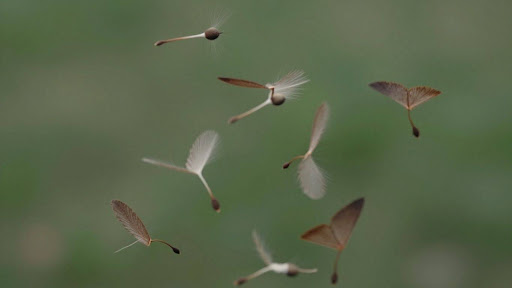
These seeds aren’t just plain old seeds, though. Maple seeds are famously known as samaras, often called “helicopters” or “whirligigs” because of their unique shape. Each samara typically has two seeds attached to a wing-like structure. This design is pure genius from nature; it allows the seeds to spin and glide through the air when they detach from the tree, helping them travel further away from the parent tree. This dispersal is key for the tree’s survival, preventing too many young trees from competing for the same resources right under the parent.
Some years, you’ll notice a lot more of these samaras than others. This can happen when a tree has had a particularly good year for flowering and pollination, sometimes influenced by weather patterns. For instance, if a late frost doesn’t kill off as many blossoms as usual, more flowers can turn into seeds. It’s a bit of a gamble for the tree, as producing so many seeds takes a lot of energy. Sometimes, a tree might even prioritize seed production over leafing out fully, which can make some branches look a bit bare in the spring.
Here’s a quick look at how the seed develops:
- Flowering: Small, often inconspicuous flowers appear in spring.
- Pollination: Wind or insects carry pollen, leading to fertilization.
- Seed Development: Fertilized flowers mature into samaras (winged seeds).
- Dispersal: Samaras detach and are carried by the wind.
The whole process, from flower to a seed ready to sprout, is a testament to nature’s efficiency. The samara’s design is a perfect example of adaptation, ensuring the maple species can spread and thrive in various environments. It’s a cycle that has been perfected over millions of years, and it’s happening all around us every year.
Once the seeds are released, their journey is just beginning. They need the right conditions to germinate and grow into a new maple tree. This often involves a period of cold stratification, meaning they need to experience cold temperatures, like those found in winter, before they can sprout in the spring. It’s a patient waiting game for these tiny potential giants.
General Timeline for Maple Seed Drop

So, when do these little helicopter seeds actually start their descent? It’s not a single, nationwide event, but rather a staggered process that mostly happens in the fall. Most maple trees release their seeds in autumn, just before their leaves start to turn and fall. This timing is pretty smart, actually. The fallen leaves can help protect the seeds as they land, giving them a bit of a head start for the following spring’s germination.
Autumn: The Primary Season for Seed Dispersal
While you might see a few stragglers or early releases, the big show for maple seeds, also known as samaras, is definitely autumn. Think of it as the tree’s way of getting its offspring out there before winter really sets in. The wind plays a huge role, catching those winged seeds and carrying them away from the parent tree. It’s a natural dispersal method that’s been perfected over millennia.
Factors Influencing Seed Drop Timing
It’s not just a simple calendar date for all maple trees. A few things can nudge the timing one way or another:
- Species of Maple: Different types of maples have slightly different schedules. For instance, silver maples tend to drop seeds earlier, sometimes even in late spring or early summer, while sugar maples usually wait until autumn. Red maples can be a bit of a wildcard, sometimes dropping seeds in late spring or early summer and again in the fall.
- Weather Patterns: A really dry summer might cause trees to drop seeds earlier than usual, while a mild autumn could extend the dispersal period. Extreme weather events can also play a role.
- Tree Maturity and Health: Younger trees might not produce as many seeds, and their dispersal might be less predictable. A healthy, mature tree is more likely to have a robust seed drop.
The shape of a maple seed, the samara, is a marvel of natural engineering. Its wing isn’t just for show; it’s designed to catch the wind, allowing the seed to spin and glide, covering more ground. This aerodynamic design helps ensure the seeds can travel a good distance from the parent tree, increasing their chances of finding a suitable spot to grow into a new maple tree.
Here’s a general idea, though remember it can vary:
| Maple Species | Typical Seed Drop Time |
| Silver Maple | Late Spring / Early Summer (sometimes autumn) |
| Red Maple | Late Spring / Early Summer and Fall |
| Sugar Maple | Early Summer to Autumn (ripening, then dropping) |
| Norway Maple | Autumn |
| Japanese Maple | Autumn |
So, while autumn is the main event, keep an eye out in late spring and early summer too, especially if you have silver or red maples around. It’s all part of the fascinating cycle of these trees.
Variations by Maple Species
Common Maple Species and Their Seed Drop Habits
Not all maple trees are created equal, and that goes for their seeds, too. While most maples drop their seeds in the fall, the exact timing and even the appearance can differ quite a bit depending on the specific type of maple you’re looking at. It’s pretty neat how nature has these little variations.
Here’s a quick look at a few common maples and when you might see their seeds hitting the ground:
- Red Maple (Acer rubrum): These guys are often among the first to get their seeds out. You’ll typically see their little winged seeds, called samaras, dropping from late spring through early summer. So, if you’re seeing maple seeds in May or June, chances are it’s a Red Maple.
- Sugar Maple (Acer saccharum): Famous for syrup and stunning fall colors, Sugar Maples tend to hold onto their seeds a bit longer. Their samaras usually start to fall in the autumn, often around the same time their leaves are putting on their spectacular show.
- Silver Maple (Acer saccharinum): Known for its fast growth and feathery leaves, the Silver Maple is another early dropper. Like the Red Maple, its seeds are typically dispersed in late spring to early summer.
The timing of seed drop is closely linked to the tree’s flowering period and the development of the seeds themselves.
Regional Differences in Seed Dispersal
Beyond just the species, where a maple tree is growing can also play a role in when its seeds decide to take flight. Climate and local weather patterns really do make a difference.
For instance, a Red Maple in a warmer southern climate might drop its seeds a bit earlier in the spring than a Red Maple in a cooler northern region. The amount of rainfall and the general temperature throughout the growing season can influence how quickly the seeds mature and are ready for dispersal. It’s like how different plants bloom at different times depending on where you are – maple seeds are no different.
Think of it this way: a tree’s internal clock is set by its species, but the local environment can nudge that clock forward or backward a bit. So, while fall is the general rule for many, don’t be surprised if you see seeds from different maples, or even the same species in different spots, appearing at slightly different times.
What to Expect When Maple Seeds Drop

So, you’ve noticed a flurry of “helicopters” or “whirligigs” descending from your maple trees. This annual event, when do maple trees drop their seeds, can be quite a spectacle, but it also means a bit of cleanup for your yard. These aren’t just random bits of nature; they’re the next generation of maple trees, each designed with a unique aerodynamic shape to help them travel.
The Appearance of Maple Seeds (Samaras)
Maple seeds, scientifically known as samaras, are easily recognizable. They typically consist of two joined wings, each enclosing a single seed. This design is what gives them their characteristic spinning, helicopter-like descent when they fall. The wings help them catch the wind, allowing them to travel a good distance from the parent tree. While most people think of them as “helicopters,” you might also hear them called “whirligigs” or “twirlers.” The shape is key to their dispersal, allowing them to flutter and spin rather than just drop straight down.
Impact on Your Yard and Garden
When do maple trees drop their seeds, the result can be a significant accumulation in your yard. Here’s what you might encounter:
- Lawn Coverage: Expect your lawn to be dotted with these winged seeds. They can make mowing a bit more challenging until they’re cleared away.
- Garden Beds: Samaras can settle into garden beds, potentially sprouting if conditions are right. This means you might find tiny maple seedlings popping up among your flowers and vegetables.
- Gutters and Downspouts: The lightweight seeds can easily be blown into gutters and downspouts, potentially causing clogs if left unchecked. This is especially true after heavy winds or rain.
- Sidewalks and Driveways: They can gather in cracks and crevices, making pathways look untidy and sometimes even hindering drainage.
While the sheer volume of seeds can seem overwhelming, remember that not all of them will germinate. Many are eaten by wildlife, damaged, or simply don’t find suitable conditions to grow. However, for those that do, prompt removal is often the best strategy to prevent unwanted saplings.
Dealing with the aftermath of when do maple trees drop their seeds often involves a few steps:
- Raking: The most common method is to rake up the samaras from your lawn and garden areas. Doing this before they have a chance to sprout can significantly reduce the number of new seedlings.
- Sweeping: Use a broom or leaf blower to clear them from hard surfaces like patios, decks, and driveways.
- Gutter Cleaning: Regularly check and clean your gutters to prevent blockages.
- Seedling Removal: If seedlings do sprout, they are usually easy to pull by hand, especially when the soil is moist. This is a good way to manage their growth in unwanted areas.
When to Plant Maple Seeds

So, you’ve collected a bunch of those little helicopter seeds, or maybe you’re just curious about starting a new maple tree from scratch. Planting maple seeds isn’t super complicated, but there are a few things to keep in mind to give your future tree the best shot at growing.
The biggest factor is mimicking the natural conditions these seeds experience. Most maple seeds, especially from species like sugar maple or red maple, need a period of cold, damp rest before they’re ready to sprout. This is called stratification, and it basically tricks the seed into thinking winter has passed.
Here’s a general idea of how to go about it:
- Collect Seeds: Gather your samaras in the fall after they’ve ripened and started to fall. Make sure they look healthy and aren’t damaged.
- Stratification: Mix the seeds with a moist medium like peat moss, vermiculite, or even just damp paper towels. Place this mixture in a sealed plastic bag or container and store it in your refrigerator (around 33.8-41°F or 1-5°C) for about 90 to 120 days. Some species, like the bigleaf maple, might need less time, maybe around 40 days.
- Germination: After the cold period, bring the seeds to room temperature. You can plant them directly into pots filled with a good potting mix or sow them outdoors in a prepared spot. Keep the soil consistently moist but not waterlogged. Many maple seeds will start to germinate within 2 to 4 weeks under these conditions.
Some maples, like silver maples, are a bit more forgiving and can sometimes be planted directly in moist soil in late spring or early summer without a long stratification period. They might sprout the following year.
Starting a maple tree from seed is a patient endeavor. It requires understanding the seed’s natural cycle, particularly its need for a cold period, before it can begin its journey into a seedling. Don’t be discouraged if not every seed sprouts; nature has a way of ensuring only the strongest make it.
If you’re looking for more detailed instructions on getting those seeds to sprout, there are resources available that explain how to germinate maple seeds after a period of cold stratification. It’s a rewarding process to watch a tiny seed transform into a young tree.
Thinking about planting maple seeds? Knowing the right time to plant is key to success. For expert advice on when to plant maple seeds and other tree care tips, visit our website today!
So, When Do Those Maple ‘Helicopters’ Take Flight?
Alright, so we’ve talked about how maple seeds, those fun little ‘helicopters,’ are built for flying and how they land. Remember, the exact time they start dropping really depends on the type of maple tree you’ve got. Silver maples tend to get going in late spring, while red maples might drop theirs in late spring, early summer, or even in the fall. Sugar maples usually get their seeds ready to fly from early summer through autumn, with the actual drop happening a couple of weeks after they’re ripe. It’s a pretty neat natural process, even if it means a bit more yard work for us sometimes!
Frequently Asked Questions
What do maple tree seeds look like?
Maple tree seeds are often called ‘helicopters’ or ‘whirlers’ because of their unique shape. They have two connected wings that spin like a propeller when they fall, helping them travel far from the tree.
Why do maple trees drop so many seeds at once?
Maple trees have a special reproductive strategy called ‘masting.’ This means they produce a huge number of seeds in certain years to make sure some survive, even if many are eaten by animals or don’t find a good spot to grow.
Can I plant maple seeds that I find?
Yes, you can! Maple seeds, also known as samaras, often need a cold period to sprout. You can try planting them in moist soil in the fall or give them a few months in the refrigerator (in a damp medium like sand or peat moss) before planting in the spring.
Are there different times when different maple trees drop seeds?
Yes, there can be differences. While fall is common for many, like sugar maples, silver maples might drop seeds earlier, sometimes in late spring. The exact timing can also depend on the weather each year and where the tree is located.
What’s the purpose of the wing on a maple seed?
The wing is super important! It helps the seed spin and glide through the air, allowing it to travel a good distance away from the parent tree. This increases its chances of finding a suitable place to land and grow into a new tree.