
Sugar Maple Tree Bark Identification: Bark Texture and Color

- February 18, 2026
- By Jason Sinclair
Figuring out if you’ve got a sugar maple on your hands can sometimes feel like a puzzle. While the leaves are a dead giveaway in the fall, what about the rest of the year? The bark is a big clue, but it changes as the tree gets older. This guide will help you with sugar maple tree bark identification, looking at its texture and color, and how it compares to other maples. Let’s get started on becoming a bark expert!
Understanding Sugar Maple Bark: A Key Identifier
When you’re looking at a sugar maple, especially a younger one, the bark might seem a bit plain. It’s not super rough or deeply grooved yet. Think more along the lines of a subtle texture, maybe with some faint, irregular patterns that aren’t immediately striking. It’s kind of like looking at a well-worn leather jacket – it’s got character, but it’s not screaming for attention.
Here’s a quick rundown of what to keep an eye out for:
- Color: Generally, you’re looking at shades of gray, sometimes with hints of brown. It’s not usually a dark, almost black color, nor is it a bright, light gray. It sits somewhere in the middle.
- Texture: This is where it gets interesting. While it’s not deeply furrowed on young trees, it’s definitely not perfectly smooth either. There’s a slight roughness, and as the tree matures, this texture starts to develop into more defined ridges and valleys.
- Pattern: You might notice some shallow, irregular patterns. Some folks describe it as having a slightly scaly or plated look, but these plates are usually tight against the trunk and don’t peel off easily.
Key Characteristics of Sugar Maple Bark
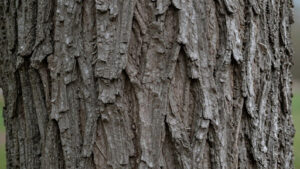
When you’re out in the woods, trying to figure out if that’s a sugar maple you’re looking at, the bark is a big clue. It’s not always super obvious, especially when you’re comparing it to other maples, but there are some definite things to look for.
Young sugar maples actually have bark that isn’t totally smooth. If you look closely, you might see a subtle, almost diamond-shaped pattern. It’s not super pronounced, but it gives the bark a bit of texture. As the tree gets older, this texture really develops. The bark becomes deeply furrowed, meaning it develops deep grooves. These furrows run vertically along the trunk. The texture of mature sugar maple bark is typically rough and deeply ridged. It feels solid and tight to the tree, not flaky or easily peeled off like some other maples.
Here’s a quick rundown of how the texture changes:
- Young Trees: Bark is smoother with a faint, sometimes diamond-like pattern.
- Mature Trees: Bark develops deep, vertical furrows and ridges.
- Old Growth Trees: Furrows can become very deep, giving a rugged appearance.
It’s important to remember that bark can look different depending on the tree’s health and environment. A stressed sugar maple might not show the classic deep furrows, and sometimes, even experienced folks have to look twice.
The color of sugar maple bark is usually described as gray-brown. It’s not a bright, vibrant color, but more of a muted, earthy tone. Think of the color of old, weathered wood. The exact shade can vary a bit. Sometimes it leans more towards a grayish hue, and other times it’s a bit darker, more towards a deep brown. This brownish hue comes from the natural compounds within the bark itself. You won’t typically see reddish tones in the bark of a sugar maple, which can be a helpful way to distinguish it from a red maple, especially when the leaves aren’t around for identification.
How Sugar Maple Bark Changes with Age
Sugar maple bark isn’t static; it really transforms as the tree gets older. It’s kind of neat to see how much it can change over the years.
Young Sugar Maple Bark
When sugar maples are just starting, their bark is pretty different from what you see on older trees. It’s not completely smooth, but it’s not deeply grooved either. You might notice a subtle texture, sometimes described as having a slightly scaly or even a faint diamond pattern. It’s usually a lighter gray or grayish-brown color. Honestly, it can be a bit tricky to tell them apart from other young maples at this stage, so you often have to look at a few things together.
Mature Sugar Maple Bark
As the sugar maple matures, its bark starts to develop more character. The texture becomes more pronounced, moving from that initial subtle pattern to a more rugged look. You’ll start to see longer, narrower ridges forming, with deeper furrows running vertically. The color typically darkens to a richer gray-brown. This is often the stage where the bark starts to look more distinctly like a sugar maple, with those characteristic deep, irregular furrows. It’s still generally tight to the trunk, not usually peeling off in large flakes like some other maples.
Old-Growth Sugar Maple Bark
Really old sugar maples, the giants of the forest, have bark that tells a story. It becomes very thick and deeply furrowed, almost blocky in places. The ridges can be quite prominent, and the furrows can be deep enough to hide your fingers in. The color might be a darker gray or even have a brownish cast. Sometimes, the bark can appear a bit shaggy, but it usually remains firmly attached to the tree, unlike the more easily detached plates found on older red maples. It’s a rugged, ancient look that really speaks to the tree’s age and resilience.
Here’s a quick rundown of the changes:
- Young: Lighter gray-brown, subtle texture, sometimes a faint pattern.
- Mature: Darker gray-brown, developing ridges and furrows, more rugged.
- Old Growth: Very thick, deeply furrowed, blocky or shaggy appearance, dark gray-brown.
It’s important to remember that environmental factors and specific growing conditions can influence how the bark develops. So, while these are general patterns, there can be some variation from tree to tree.
Distinguishing Sugar Maple Bark from Similar Species
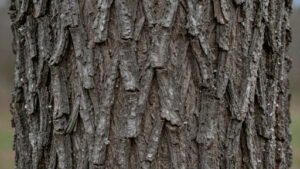
Alright, so you’ve got a maple tree, but is it the sweet kind or one of its cousins? It can get a little confusing, especially when you’re just looking at the bark. Sugar maples have their own look, but so do red maples and silver maples, and they can sometimes seem pretty similar at first glance.
Comparison with Red Maple Bark
This is where things can get tricky. Young red maples often have smooth, gray bark, which might make you think of a beech tree, honestly. As they get older, red maple bark starts to develop these narrow vertical plates. Sometimes, these plates can get a bit shaggy and might even peel off. The key difference is that even when a sugar maple’s bark looks a bit rough or shaggy, it usually stays pretty tight to the trunk and doesn’t flake off as easily as red maple bark can. Sugar maple bark, even on younger trees, often has a subtle diamond pattern, though it’s not always super obvious. It’s more of a textured feel than a smooth surface.
Here’s a quick rundown:
- Sugar Maple Bark: Tends to be tight to the trunk, often with a subtle, hard-to-see diamond pattern when young, becoming deeply furrowed and ridged with age. The ridges are usually firm and don’t peel easily.
- Red Maple Bark: Can be smooth and gray when young. As it matures, it develops vertical plates that can become shaggy and may peel away. The texture can vary a lot depending on the tree’s age and how fast it’s growing.
Comparison with Silver Maple Bark
Silver maples are another one to watch out for. Their bark is generally smoother than a mature sugar maple’s. When silver maples are young, their bark is often a light gray and can be quite smooth. As they age, the bark develops long, thin, flaky strips that tend to peel away from the trunk, giving it a somewhat shaggy appearance, but usually in longer, more distinct strips than you’d see on a red maple. It’s often described as looking a bit like peeling paint or long, narrow plates.
Remember, bark is just one piece of the puzzle. Always try to look at other features like leaf shape (if present), branching patterns, and even the buds if you can. Sometimes, the location and the overall shape of the tree can give you clues, too.
So, when you’re out there trying to figure out which maple you’re looking at, pay close attention to how the bark is attached to the tree and whether it’s peeling off in long, shaggy strips (more likely silver or red maple) or if it’s more firmly ridged and furrowed (more likely sugar maple).
Tips for Accurate Sugar Maple Bark Identification
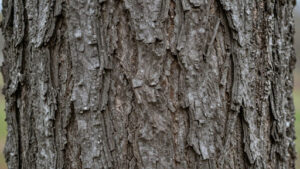
When you’re trying to nail down the sugar maple tree identification by bark, remember a few key things. The texture and color are your best clues, but they change as the tree gets older. Don’t just look at one spot; check out different parts of the trunk. Sometimes, a young sugar maple’s bark might look smoother than you expect, but as it matures, it develops those characteristic furrows.
Here’s a quick rundown to help with your sugar maple tree bark identification:
- Observe the Furrows: Look for shallow, irregular furrows that run vertically. They aren’t usually super deep or blocky like some other trees. Think more like gentle ridges.
- Note the Color: Sugar maple bark is typically a grayish-brown. It can get darker with age, but you’re usually not looking at a very dark, almost black bark unless the tree is ancient and conditions are just right.
- Check for Opposite Branching: While not strictly bark, this is a huge help for sugar maple tree identification by bark. Maples, including sugar maples, have branches that grow directly across from each other. This is a big clue if you’re unsure.
- Feel the Texture: If you can safely touch it, the bark of a mature sugar maple feels firm and somewhat scaly, but the plates don’t peel off easily like they might on a red maple. It’s not super rough or deeply ridged, but it’s definitely not smooth.
Sometimes, especially with younger trees or those growing in less-than-ideal conditions, the bark might not perfectly match the textbook description. It’s like people; they don’t all look the same. You have to consider the whole picture – the bark, the branching, and even the location where the tree is growing – to make a solid sugar maple tree identification by bark.
Don’t forget to compare it with other maples in your area. Red maple bark, for instance, can get quite shaggy and peel more, while silver maple bark often has longer, narrower plates. Getting a good feel for the nuances of sugar maple tree bark identification by bark takes a bit of practice, but these tips should get you started on the right track for accurate sugar maple tree identification by bark.
Figuring out if a tree is a sugar maple can be tricky, but its bark offers some big clues. Look for deep grooves and ridges that run up and down the trunk. These aren’t just random lines; they often form a pattern that’s unique to sugar maples. Want to become a tree expert? Visit our website for more helpful tips and guides!
Frequently Asked Questions
What does sugar maple bark look like when the tree is young?
Even when young, sugar maple bark isn’t completely smooth. It often has a subtle, small diamond-shaped pattern. While it might be hard to notice at first glance, touching the bark helps you feel this texture, which is a key difference from some other maples.
How does the bark change as a sugar maple gets older?
As a sugar maple tree matures, its bark starts to develop deeper grooves and ridges. It can become quite rough and deeply furrowed, showing a lot of texture. The color typically stays in the gray-brown range, but the pattern becomes much more pronounced.
Is sugar maple bark the same as red maple bark?
No, they are different. Young red maple bark can be smooth and gray, which can be confusing. However, mature red maple bark often forms narrow, vertical plates that can peel off easily. Sugar maple bark, even when rough, tends to be tighter to the tree and doesn’t peel off as readily.
What color is sugar maple bark usually?
Sugar maple bark is generally a shade of gray or brown. As the tree ages, the color might deepen, but it remains within this natural, earthy palette. You won’t see bright reds or yellows in the bark itself.
Can I identify a sugar maple by its bark in winter?
Yes, bark can be a helpful clue in winter, especially when combined with other features like branching patterns. While it can be tricky, the texture and how the bark is attached to the tree (tight vs. peeling) can help distinguish sugar maples from other species like red maples.
Are there any other ways to tell sugar maples apart besides bark?
Absolutely! Besides bark, you can look at the leaves. Sugar maple leaves have five lobes with smooth, U-shaped spaces between them, and their edges are not jagged. Also, check the buds; sugar maple buds are tan, while red maple buds are bright red. The branching pattern, where branches grow in pairs opposite each other, is also a strong indicator of a maple tree.